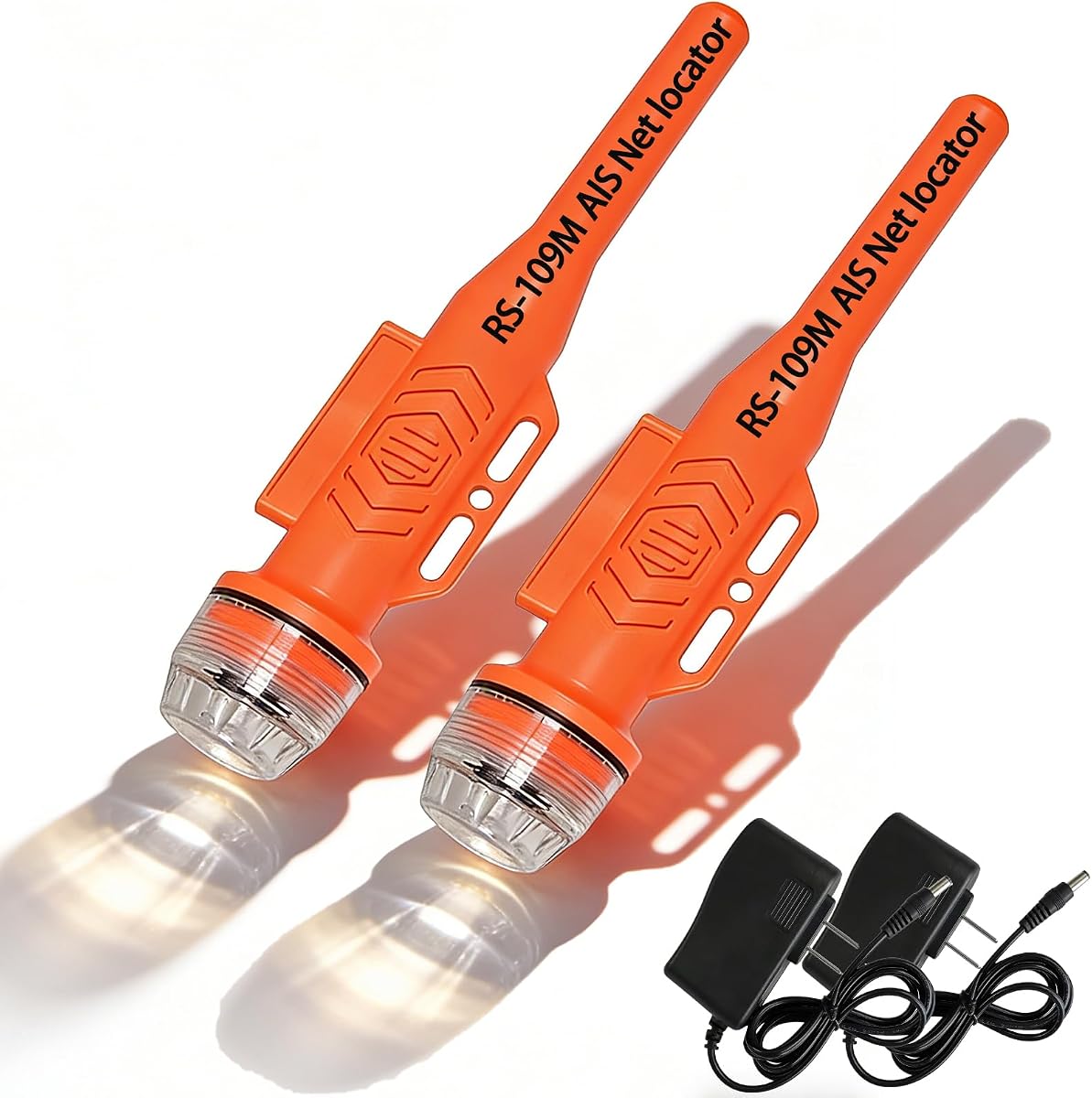
RS-109M Marine Net Locator
4.5Editor score
IPX7 Waterproof Design
10 Nautical Mile Range
Extended Battery Life
Navigating open waters requires reliable tools to ensure safety and situational awareness. Ais Transponders provide critical data about nearby vessels helping you avoid collisions and maintain secure communication on the water.
We evaluated ten leading models focusing on performance ease of use and compatibility with existing marine electronics. Each product was assessed for signal range display quality and integration capabilities to find the best options for every type of boat.
Every pick highlights key strengths and ideal use cases so you can make an informed decision. Please note that prices and availability may change over time so verify current details before purchasing your chosen device.
4.5Editor score

4.8Editor score
4.9Editor score
As an Amazon Associate we earn from qualifying purchases.
The following table offers a side-by-side comparison of all ten selected Ais Transponders. Review the specifications and key features to understand how each model differs in functionality and intended use.




The Icom MA-510TR stands out as a top choice for sailors needing reliable AIS functionality. It features a vibrant display and integrated GPS ensuring you always know your position relative to other vessels.
We may earn a commission when you buy through this link, at no additional cost to you.
Its silent mode allows secure operations without broadcasting position constantly which is ideal for sensitive trips. The anchor watch alarm adds extra safety when stationary in open water.
While it lacks an internal VHF radio the USB connectivity allows flexible integration with modern navigation systems. The multilingual interface makes it accessible to international users.
This unit is best for boat owners who already have VHF equipment and want enhanced AIS visibility. It balances advanced features with ease of use effectively.
The display shows nearby targets clearly helping you avoid potential collisions during busy maritime traffic.
Silent mode lets you monitor traffic without revealing your own location to others on the water.
We may earn a commission when you buy through this link, at no additional cost to you.
This EM-TRAK unit provides essential Class B AIS capabilities for smaller vessels. Its dual voltage input makes it versatile for various boat electrical systems.
We may earn a commission when you buy through this link, at no additional cost to you.
As a transceiver it both sends and receives identification signals improving communication with nearby ships. The compact form factor fits easily in tight spaces.
Specifications are minimal compared to high end models but it covers core needs for safety. It serves well as a secondary system or backup.
Ideal for recreational boaters needing basic compliance without complex installation. It offers functional performance at a reasonable investment level.
Supports 12 and 24 volt systems making it suitable for most marine electrical setups.
Provides essential identification data to ensure you are visible to other vessels nearby.
We may earn a commission when you buy through this link, at no additional cost to you.
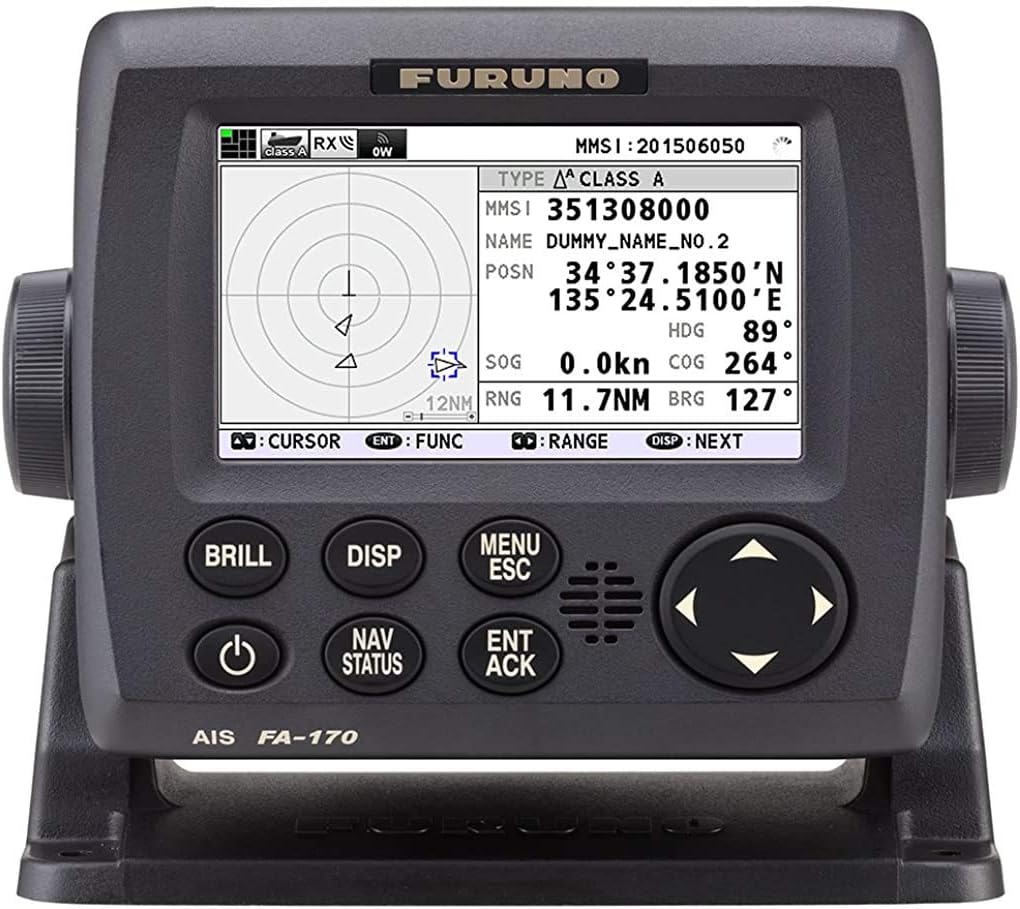
The Furuno FA170 delivers professional grade Class A AIS performance for serious mariners. Its ability to store over 2000 targets ensures comprehensive coverage in busy waters.
We may earn a commission when you buy through this link, at no additional cost to you.
The dangerous target list automatically flags vessels on collision courses allowing immediate reaction. You can also send custom messages to nearby ships for communication.
It includes multiple input output ports plus a LAN port for network integration. This flexibility supports complex navigation setups on larger vessels.
Best for commercial boats or luxury yachts requiring maximum reliability and features. The investment pays off in safety and operational efficiency.
Automated alerts for dangerous targets help prevent accidents in high traffic zones effectively.
Multiple ports allow seamless integration with radar chartplotters and other onboard systems.
We may earn a commission when you buy through this link, at no additional cost to you.
This tracker is designed for buoys and nets providing visibility without expensive transponders. It transmits positioning data directly to onboard receivers for easy retrieval.
We may earn a commission when you buy through this link, at no additional cost to you.
With a range of up to ten nautical miles you maintain awareness of equipment location over vast areas. The IPX7 rating ensures it survives submerged conditions reliably.
Battery life extends to two weeks reducing maintenance frequency for long deployments. Real time sync keeps you updated on power levels constantly.
Perfect for fishing fleets needing to track gear efficiently. It offers great value for specialized tracking needs at low cost.
High capacity battery supports continuous transmission for weeks without needing replacement or recharge.
Waterproof housing protects internal electronics during accidental submersion in salt or fresh water.
We may earn a commission when you buy through this link, at no additional cost to you.
This bundle combines VHF radio and AIS functionality for comprehensive communication solutions. It simplifies installation by pairing compatible units directly.
We may earn a commission when you buy through this link, at no additional cost to you.
The Ray90 VHF unit ensures clear voice communication while AIS adds visual traffic data. Together they enhance safety significantly for any boat.
Raymarine is known for reliability in marine electronics so you get trusted components. The fixed mount accessory makes setup straightforward.
Best for new installations where both systems are needed. It saves time and ensures compatibility between radio and AIS units.
Designed to work together out of the box reducing setup time and compatibility issues.
Voice and digital data combined provide multiple ways to contact others or get alerts.
We may earn a commission when you buy through this link, at no additional cost to you.
This personal locator beacon provides critical safety for crew members at risk of falling overboard. It sends distress alerts on VHF frequencies for nearby ships to see.
We may earn a commission when you buy through this link, at no additional cost to you.
Return Link Service confirms rescue teams received the signal giving peace of mind to the user. NFC technology allows quick checks of battery and status.
The unit is small and easily clips onto life jackets for constant wear. It offers global coverage without needing monthly fees.
Ideal for individual crew safety on small boats or offshore trips. It adds a vital layer of personal protection.
Activates a high visibility signal that nearby vessels can detect within a five mile radius.
Return Link Service confirms successful receipt of emergency signal by rescue organizations.
We may earn a commission when you buy through this link, at no additional cost to you.
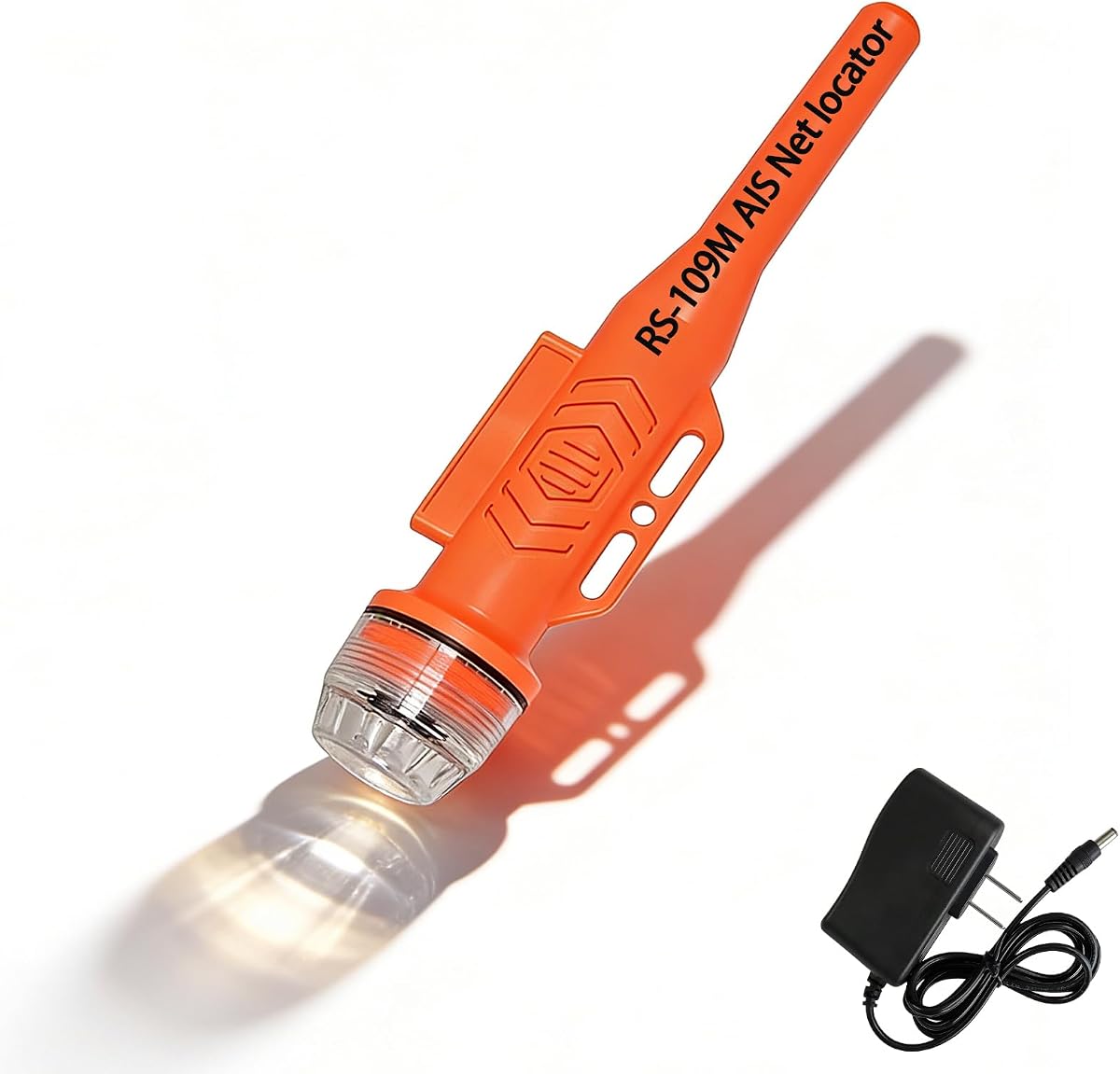
This single tracker mirrors the dual pack but offers flexibility for individual buoy marking. It uses high sensitivity GPS for precise location updates in open water.
We may earn a commission when you buy through this link, at no additional cost to you.
Data sync transmission keeps your onboard receiver updated with battery status so you know when to service gear. IPX7 waterproofing ensures durability in harsh conditions.
With ten nautical mile signal range it covers large fishing grounds effectively. The housing is fully sealed to prevent water damage.
Best for replacing a single lost buoy or tracking specific gear. It provides reliable data for navigation and retrieval.
High sensitivity GPS module ensures quick accurate location data for easy buoy retrieval.
Signal reaches up to ten nautical miles providing wide area coverage for tracking.
We may earn a commission when you buy through this link, at no additional cost to you.
This handheld radio includes an AIS receiver so you see traffic without a separate display. It combines communication with situational awareness in one portable device.
We may earn a commission when you buy through this link, at no additional cost to you.
With 1500 mW audio output calls stay clear even in noisy engine rooms. The float and flash feature ensures recovery if dropped overboard.
Integrated GPS allows navigation to waypoints and saved fishing spots easily. DSC integration makes distress alerts fast when paired with MMSI.
Ideal as a backup or main radio for small boats needing AIS visibility. It offers excellent value for portable marine communication.
High power speaker ensures voice commands are heard clearly during loud marine conditions.
Floats and flashes when dropped overboard allowing quick retrieval during emergencies.
We may earn a commission when you buy through this link, at no additional cost to you.
This unit bridges voice communication with digital network data for modern boat systems. It supports NMEA 2000 allowing seamless connection to multifunction displays.
We may earn a commission when you buy through this link, at no additional cost to you.
AIS integration means traffic data flows directly to your chartplotter without extra cables. The design is compact fitting well on smaller dashboards.
EVO series ensures future proofing with robust networking standards. You maintain full control over voice and digital data streams.
Best for newer installations prioritizing digital networking efficiency. It simplifies wiring while providing essential communication tools.
NMEA 2000 support simplifies wiring and data sharing across navigation systems.
Space efficient design allows installation on smaller vessels without sacrificing function.
We may earn a commission when you buy through this link, at no additional cost to you.
This Class B transceiver integrates deeply with Raymarine multifunction displays for easy control. Its built-in antenna splitter removes the need for external components.
We may earn a commission when you buy through this link, at no additional cost to you.
SO-TDMA technology ensures longer range and faster data updates compared to older systems. It supports NMEA 2000 NMEA0183 and SeaTalkng protocols.
PC setup and diagnostics are straightforward allowing easy maintenance and configuration. You get full transmit receive AIS for complete safety awareness.
Perfect for boats already using Raymarine navigation systems. It maximizes compatibility while adding robust AIS capabilities.
SO-TDMA networking extends signal range and improves data speed for better traffic tracking.
Antenna splitter allows sharing existing VHF antenna reducing clutter and installation steps.
We may earn a commission when you buy through this link, at no additional cost to you.
Selecting the right AIS system depends on vessel size and budget. This guide breaks down key factors to consider for informed decisions.
Class A systems transmit at higher power for larger vessels and are often mandatory for commercial boats. Class B units are more affordable and suitable for recreational craft offering basic safety.
Choose Class A for compliance or large fleets but Class B works for most personal boats.
Some units come with integrated displays like the Icom MA-510TR offering standalone functionality. Others require connection to multifunction displays like the Raymarine models.
Evaluate existing electronics to decide between standalone or network integrated options.
Most marine devices run on 12V or 24V systems ensuring compatibility with boat batteries. Portable beacons use internal lithium batteries but need periodic replacement.
Check voltage requirements match your vessel's electrical system to avoid compatibility issues.
Signal range depends on antenna height and transmitter power typically reaching 10 to 20 nautical miles. Built-in splitters can simplify setup but separate antennas may offer better performance.
Install antennas as high as possible to maximize range and clear obstacles.
Modern systems use NMEA 2000 or SeaTalkng for digital networking while older units may rely on NMEA0183. Ensure your system supports the required protocol for smooth data sharing.
Select units matching your existing network standard to avoid adapter costs.
Features like anchor watch and collision alarms provide proactive safety alerts while personal beacons handle overboard emergencies. Look for SOS buttons and return link services for extra security.
Prioritize units with real-time alerts and distress signaling for crew safety.
Marine environments demand robust construction with IPX7 waterproof ratings for devices near or in water. Sealed housings prevent saltwater corrosion extending product life.
Choose units rated for marine use to withstand harsh conditions.
Prices vary significantly from budget trackers to high-end Class A transponders. Consider long-term value including battery life and compatibility rather than just upfront cost.
Balance features against budget to find the best fit for your needs.
Start by installing the antenna in a high location clear of obstructions to ensure maximum signal range. Connect power wires matching your vessel's voltage to 12V or 24V systems properly.
Configure your MMSI number and vessel details during initial setup using the interface or companion software. This identification data is vital for other boats to recognize you.
Regularly check battery status and update firmware to maintain performance and security. Clean exterior surfaces with fresh water to prevent salt buildup and corrosion over time.
Class A systems transmit at 12.5 watts for large vessels while Class B uses 2 watts for recreational boats. Class A requires more power and is mandatory for commercial traffic but Class B is sufficient for most pleasure craft.
Many standalone AIS units do not include VHF so you need a separate radio for voice communication. However some bundles and handhelds combine both functions for simpler setups.
Typical AIS range is around 10 to 20 nautical miles depending on antenna height and weather. Proper installation high above the waterline significantly extends this detection range.
Most units support NMEA0183 legacy protocol alongside modern standards like NMEA 2000. Check compatibility before purchasing to ensure your existing plotter can display the data.
The device stops transmitting your position immediately which reduces visibility to other vessels. Ensure reliable power connections or backup batteries for critical navigation areas.
Yes specialized trackers like the RS-109M transmit buoy positions via AIS for easy retrieval. These are ideal for fishing fleets monitoring gear in open waters.
The Icom MA-510TR, RS-109M Locator, and Furuno FA170 represent top choices for different budgets and needs. Each offers distinct strengths ranging from affordability to professional grade reliability.
Prioritize network compatibility and essential safety features like collision alarms over unnecessary extras. Matching your system to your vessel type ensures seamless operation and better safety.
Always verify current pricing and availability before finalizing your purchase decision. Marine technology evolves quickly so checking the latest models guarantees you get the best performance.