
Guermok Video Capture Card
4.4Editor score
1080P 60FPS Output
USB 3.0 and Type-C
Ultra Low Latency Performance
This guide compares the top 10 capture cards for console streaming, evaluating performance, compatibility, and value to help you choose the right device.
Streaming console gameplay requires reliable hardware to deliver smooth visuals. A quality capture card ensures your audience sees every frame without lag or distortion during live broadcasts.
We evaluated ten leading models based on resolution support, latency, and ease of use. Each product was assessed for compatibility with modern consoles and popular streaming software.
Our picks highlight distinct strengths ranging from budget-friendly options to premium choices. Prices and availability may change, so verify details before purchasing to ensure satisfaction.
4.4Editor score

4.6Editor score

4.4Editor score
Below you will find a side-by-side comparison of the ten top-rated capture cards available for console streaming. This table highlights key specifications to help you decide quickly.



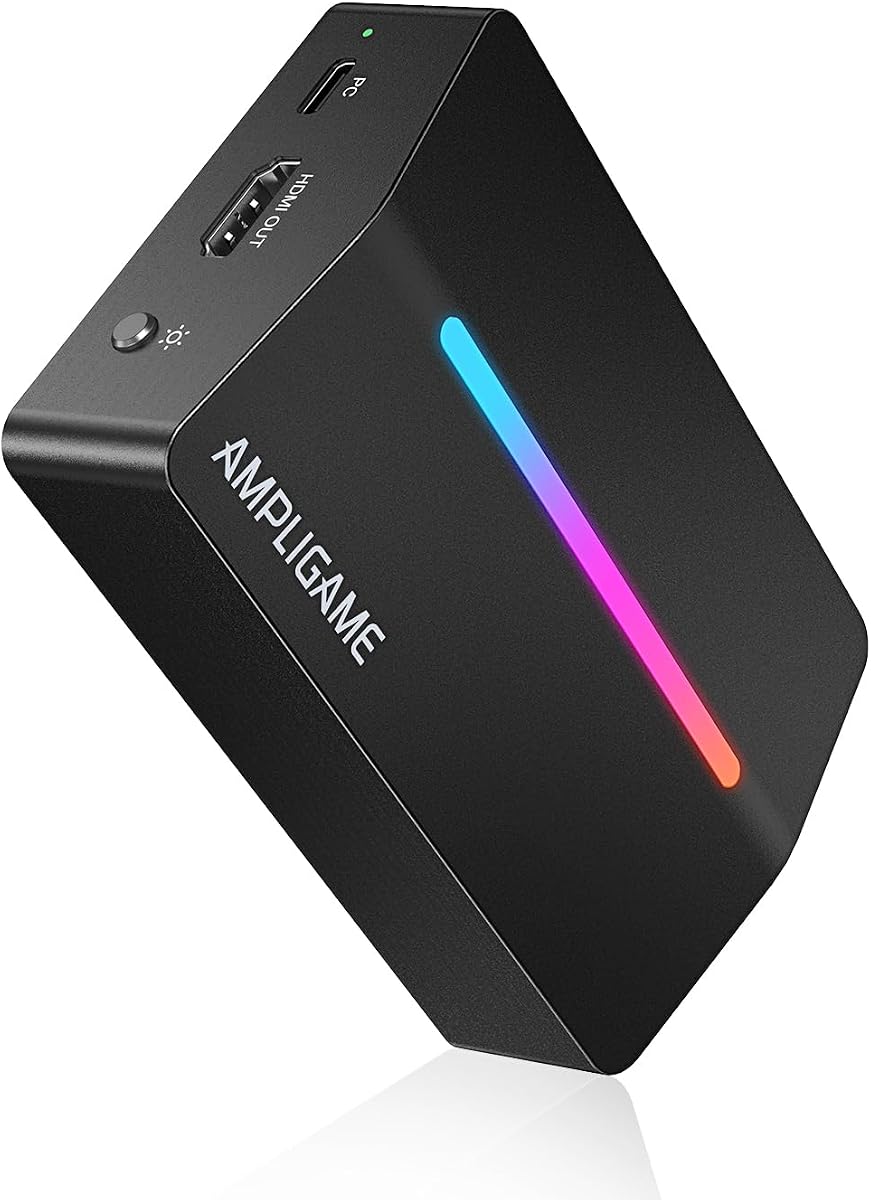


This capture card offers a solid entry point for streamers looking to broadcast console gameplay without spending a fortune. With a rating of 4.3 stars, it is praised for its ease of use and reliable performance across multiple platforms.
We may earn a commission when you buy through this link, at no additional cost to you.
It supports 1080p at 60FPS, ensuring your stream looks smooth and clear. The HDMI loop-out feature allows you to play games on your monitor without delay while the card captures the video for your audience.
While it does not capture 4K video, it handles 4K input signals well for downsampling to 1080p. Some users note that build quality feels plasticky compared to premium brands, but it functions correctly for most use cases.
If you are starting your streaming journey on a budget, this device provides all the essential features you need to get on air quickly without complex driver installations.
The plug-and-play design means you can connect it to your PC and start streaming immediately using OBS or other software.
It works seamlessly with PS4, PS5, Xbox, and other HDMI devices, making it a flexible choice for multi-console households.
We may earn a commission when you buy through this link, at no additional cost to you.
Designed with content creators who travel or switch setups often, this capture card stands out for its compact design. It maintains a 4.4-star rating thanks to its reliable low-latency performance and ease of setup.
We may earn a commission when you buy through this link, at no additional cost to you.
The USB 3.0 connection ensures fast data transfer, allowing you to stream high-quality 1080p video without lag. It is compatible with popular software like OBS Studio and Streamlabs, making it a friendly option for beginners.
While it lacks some advanced audio features like independent mic monitoring, it handles voice commentary well through the input port. Users appreciate the seamless passthrough which lets you play without seeing a delay.
For streamers who need a reliable device they can toss in a bag for LAN parties or events, this unit delivers consistent results without demanding complex configuration.
Its small footprint means it fits easily into any laptop bag, ensuring you are ready to stream wherever you take it.
The device works out of the box with Windows and Mac, eliminating the frustration of finding specific drivers for your system.
We may earn a commission when you buy through this link, at no additional cost to you.
This capture card from acer distinguishes itself with YUY2 technology which delivers richer colors for more lifelike streaming. It is an excellent choice for creators who prioritize visual fidelity in their broadcasts.
We may earn a commission when you buy through this link, at no additional cost to you.
Users can connect a headset directly to the card for commentary, simplifying the setup process by removing the need for external mixers. The device supports a wide array of apps and consoles including PS5 and Xbox.
The 4K input capability ensures you capture high-quality source material even if you stream at 1080p. Some users note that on older Windows systems drivers may be needed, but modern systems recognize it immediately.
With a commitment to quality and support, this model is a safe bet for those who want professional color results without breaking the bank or dealing with complex hardware.
The YUY2 compression format ensures your stream retains vibrant details that other formats might compress away during encoding.
Using the built-in mic port keeps your cable management tidy and ensures audio stays perfectly synced with your video output.
We may earn a commission when you buy through this link, at no additional cost to you.
Standing out on your desk with dynamic RGB lights, this Fifine capture card offers a blend of function and style. It is designed for gamers who want their setup to look as good as it performs.
We may earn a commission when you buy through this link, at no additional cost to you.
The device supports 4K loop-out for zero-latency gameplay ensuring you can react instantly in competitive matches. It also includes dedicated ports for headsets making communication with teammates seamless.
Although it has a slightly lower rating, users appreciate its compatibility with major platforms like Discord and Twitch. Note that you must use the original USB cable for best performance to avoid connection drops.
If you want to elevate the visual appeal of your streaming station while maintaining solid performance, this card offers a unique solution with its lighting features.
The nine RGB modes allow you to match your lighting to the game theme or your brand identity effortlessly.
Built-in headset ports let you manage audio locally without needing a separate USB hub or mixer.
We may earn a commission when you buy through this link, at no additional cost to you.
Offering an incredibly accessible price point, this Guermok capture card brings high-quality streaming to a wide audience. It supports 1080p at 60FPS and connects via USB 3.0 or Type-C making it versatile for modern laptops.
We may earn a commission when you buy through this link, at no additional cost to you.
The aluminum casing helps dissipate heat during long streaming sessions ensuring the device remains stable over time. It requires no drivers and works with OBS and VLC so you can start recording immediately.
Users should note that it is one-way transmission and does not support video from USB-C to HDMI conversion. You will need to use the included adapter carefully to ensure it is recognized as USB 3.0.
For budget-conscious streamers who still want reliable performance and a durable build, this card is a top contender that does not compromise on essential features.
The aluminum construction prevents overheating better than plastic competitors ensuring consistent performance during hours of gameplay.
Support for both USB-A and USB-C means it works seamlessly with desktops and newer laptops without adapters.
We may earn a commission when you buy through this link, at no additional cost to you.
This XIIXMASK card stands out for its ability to handle high frame rates up to 1080p at 120FPS. It is a compelling option for competitive gamers who need smooth motion capture for their streams.
We may earn a commission when you buy through this link, at no additional cost to you.
It supports 4K passthrough ensuring your gameplay remains delay-free on your monitor while you record at high fidelity. The inclusion of 3.5mm audio ports adds flexibility for integrating external microphones.
While it is a powerful tool the number of video formats supported can be confusing for beginners. Ensuring your system is set up correctly will yield the best performance from this device.
If you need to capture high-speed action or want a versatile device that supports multiple input formats this model offers significant value.
The 120FPS input support ensures fast movements in shooters are captured with precision and fluidity.
The HDMI passthrough lets you view your game in real-time without the lag that often comes with external recording.
We may earn a commission when you buy through this link, at no additional cost to you.
With a focus on data integrity and speed this UGREEN capture card supports 4K input for high-quality editing later. It is ideal for creators who want to preserve the original resolution of their footage.
We may earn a commission when you buy through this link, at no additional cost to you.
The 5 Gbps transfer speed ensures stable performance and low latency which is crucial for live streaming. It features both USB A and C ports ensuring it works with almost any computer or tablet.
Users must disable HDCP on consoles to ensure the signal is accepted by the device. Once set up the aluminum casing provides durability and effective heat dissipation for long sessions.
For those prioritizing video quality for recording or editing this card delivers the high bandwidth needed to handle modern console outputs.
The high input resolution allows you to export higher quality clips after your stream ends.
Support for modern devices like the Meta Quest 3 makes it relevant for VR streaming as well.
We may earn a commission when you buy through this link, at no additional cost to you.
This UGREEN card is built for creators who need instant preview capabilities. It supports 4K loop-out allowing you to monitor your gameplay on a separate screen with zero latency while recording.
We may earn a commission when you buy through this link, at no additional cost to you.
The chip inside is designed to manage high-bandwidth signals efficiently ensuring stable performance. You can choose between MJPEG or YUY2 formats to balance quality and file size based on your needs.
Its sturdy aluminum casing is both durable and functional for heat dissipation. Windows 7 users may need to install specific drivers but modern systems will recognize it immediately.
If you want a reliable loop-out feature to keep your gameplay responsive while capturing high-definition video this model is a top choice.
The loop-out feature ensures you never experience lag on your main display even while recording.
Users can switch video formats to optimize for their specific internet connection or storage constraints.
We may earn a commission when you buy through this link, at no additional cost to you.
The Elgato HD60 S is widely regarded as the gold standard for entry-level premium capture. Its ultra-low latency technology ensures your stream is almost instant with your gameplay for a natural viewer experience.
We may earn a commission when you buy through this link, at no additional cost to you.
Features like Flashback Recording allow you to save moments retroactively which is incredibly useful for capturing unexpected highlights. The device is compatible with PS5, Xbox, and Mac ensuring broad utility.
While it is more expensive than budget options the reliability and build quality justify the cost for serious streamers. You will need to install Elgato software to access all its features properly.
If you want a proven device that works flawlessly with professional software and delivers top-tier performance this is the model to buy.
Elgato has established a reputation for consistent updates and stable drivers that keep your stream running smoothly.
Flashback Recording means you never miss a clutch play because you forgot to hit record in time.
We may earn a commission when you buy through this link, at no additional cost to you.
This classic model from Elgato continues to offer solid performance for those streaming from Xbox One or PS4. It supports 1080p at 60fps and includes the useful Flashback Recording feature to save epic moments.
We may earn a commission when you buy through this link, at no additional cost to you.
It was one of the first to offer one-click sharing to social platforms making it simple to post clips quickly. The built-in live commentary feature allows you to talk over gameplay without extra mixers.
Although it is an older generation the device still functions well for 1080p streaming needs. It is a cost-effective option for those who do not need the newest 4K capabilities.
If you are streaming from older consoles or want a straightforward tool for sharing gameplay clips this model remains a reliable choice.
The one-click sharing allows you to post directly to YouTube or Twitter without exporting files manually.
You can talk over your game and mix your voice seamlessly into the video stream instantly.
We may earn a commission when you buy through this link, at no additional cost to you.
Choosing the right capture card involves balancing performance needs with budget. This guide breaks down the most important factors to consider before making a purchase.
When selecting a capture card check the maximum resolution and frame rate it supports. Most streamers aim for 1080p at 60fps for smooth visuals but some premium models offer 4K support for higher quality recordings.
Ensure the card matches your console output capabilities. If your console outputs 4K but the card only captures 1080p you may need an upscaled image rather than the raw signal quality.
Look for HDMI inputs and outputs that support passthrough. HDMI loop-out allows you to play games on your monitor without delay while the card records the signal for your stream.
Modern cards also include USB Type-C and Type-A ports. Choose a card that fits your computer ports to avoid needing extra adapters that may cause connection issues.
Latency is the delay between your action on screen and what your stream viewers see. Low latency is crucial for real-time interaction especially in competitive gaming scenarios.
Cards with zero-latency passthrough ensure your gameplay feels natural. Always check reviews for user feedback on actual delay times before purchasing.
Audio is half of your stream quality so ensure the card captures game sound and microphone input. Look for separate ports for mic and line-in to manage audio levels precisely.
Some cards allow you to capture audio directly into the stream software without extra hardware. Verify that the audio syncs correctly with video to avoid confusion.
Most capture cards work with OBS Studio and Streamlabs but some require proprietary software. Ensure the card is compatible with the tools you plan to use for broadcasting and recording.
If you prefer using native system tools look for drivers that support standard UVC protocols. This reduces the need for extra software installations on your PC.
Long streaming sessions generate heat which can affect performance. Cards with aluminum casings dissipate heat better than plastic ones ensuring stability during marathons.
Investing in a durable device reduces the risk of overheating or connection loss over time. A sturdy build often correlates with better internal components.
Not all cards support the latest console updates like PS5 or Xbox Series X features. Confirm the card supports the specific models you own to avoid compatibility headaches.
Also check for HDCP support which is required by many consoles to output video. Cards that support HDCP stripping or have workarounds are more versatile.
While premium cards offer more features budget options often cover the basics. Decide if you need advanced features like 4K capture or just reliable 1080p streaming.
Sometimes spending slightly more yields better support and longer lifespan. Consider the cost of necessary accessories like cables when comparing total value.
Connect your console to the capture card via HDMI and then plug the card into your PC USB port. Ensure you use a USB 3.0 port for the best data transfer speeds and stable connection.
Open your streaming software like OBS and add the capture card as a video source. Adjust your settings to match the output resolution of your console to ensure the best image quality.
Keep the capture card in a well-ventilated area to prevent overheating. Periodically check your connections and update drivers if necessary to maintain optimal performance.
Most modern capture cards are plug-and-play and work without drivers. However some older or specific models may require you to install drivers for full functionality on Windows systems.
Yes most capture cards support the Xbox Series X. Ensure you enable Game Mode on your console and disable HDCP settings if necessary for the card to recognize the signal.
4K input means the card accepts a 4K signal but may downscale it to 1080p for capture. 4K capture means the card can record and stream in true 4K resolution which requires more bandwidth.
To reduce latency use a capture card with low-latency technology. Also ensure you are using USB 3.0 ports and optimize your software settings for performance rather than quality.
Mac systems sometimes require specific drivers or permissions for USB devices. Check your system settings to allow access for the capture card software and ensure the USB port provides enough power.
Yes capture cards work well with the Nintendo Switch. You may need to adjust the power settings or use a dock to ensure the HDMI signal is properly recognized by the card.
We have explored ten top capture cards ranging from budget-friendly options to premium models. Each offers unique benefits depending on your console needs and streaming goals.
Prioritize latency and resolution based on your content type. If you stream competitive games focus on zero-lag passthrough and reliable 60fps performance.
Prices and availability may fluctuate so verify the current specs before buying. This guide aims to help you make an informed decision for your streaming setup.