
HP ZBook 8 G1i AI Mobile Workstation
4.1Editor score
NVIDIA RTX 500 Ada GPU
64GB DDR5 RAM Capacity
ISV Certified Professional Performance
Interior designers require powerful tools to handle complex 3D rendering, CAD software, and high-resolution visualizations. A capable laptop ensures smooth multitasking and accurate color representation for client presentations and project delivery.
We evaluated ten top-rated models based on processing power, graphics capabilities, screen quality, and portability. Our analysis focuses on hardware specifications that directly impact design software performance and long-term usability in professional settings.
Each pick highlights specific strengths for different workflow needs, from budget-friendly options to high-end workstations. Prices and availability change frequently, so verify current details before purchasing to ensure you get the best value for your investment.
4.1Editor score

4.3Editor score
4.7Editor score
As an Amazon Associate we earn from qualifying purchases.
The following table provides a side-by-side comparison of all ten selected laptops. Review key specifications like processor type, memory capacity, and graphics capabilities to determine which model aligns best with your specific design requirements.



This HP OmniBook 7 AI laptop delivers exceptional color accuracy and speed for interior design work. It holds a 4.3 rating and stands out for its 2K OLED touchscreen with 120Hz refresh rate and HDR 500 nits brightness.
We may earn a commission when you buy through this link, at no additional cost to you.
The Intel Core 9 270H processor with 14 cores provides significant power for rendering 3D models and running complex design software smoothly. Paired with 32GB DDR5 RAM and 1TB SSD storage, it ensures fast file access and seamless multitasking across multiple design applications.
While the OLED screen offers stunning visuals, users should be aware of potential burn-in risks with static UI elements over long periods. Additionally, the price point reflects premium hardware which might stretch tighter budgets compared to standard IPS displays.
Interior designers prioritizing visual fidelity and responsiveness should strongly consider this model. It balances high-end performance with portable design features making it ideal for professionals who need reliable tools both in studio and on-site client meetings.
The 100% DCI-P3 color gamut ensures accurate color reproduction essential for material selection and client presentations.
A 0.2 millisecond response time reduces motion blur making touch interactions feel immediate and precise during digital sketches.
We may earn a commission when you buy through this link, at no additional cost to you.
The HP ZBook 8 G1i is built for demanding engineering and design workflows requiring sustained performance. It has a 4.1 rating and features ISV certifications ensuring reliability for professional applications like AutoCAD and Revit.
We may earn a commission when you buy through this link, at no additional cost to you.
Equipped with the NVIDIA RTX 500 Ada GPU and 64GB DDR5 RAM, this workstation handles complex 3D rendering and simulation tasks efficiently. The 2TB PCIe NVMe SSD provides ample space for large project files and rapid data access times.
Users might find the price higher compared to standard laptops but the enterprise-grade security and extended warranty justify the investment for professionals. The weight is slightly more than ultrabooks which is acceptable given the powerful thermal system.
This model is recommended for interior designers working on large-scale commercial projects or architectural visualizations. Its robust build and certified compatibility make it a dependable choice for users needing maximum processing power on the go.
ISV certifications guarantee that design software runs without unexpected crashes or compatibility issues during critical project phases.
With 2TB of fast SSD storage users can keep extensive libraries of textures and models locally without relying on cloud services.
We may earn a commission when you buy through this link, at no additional cost to you.
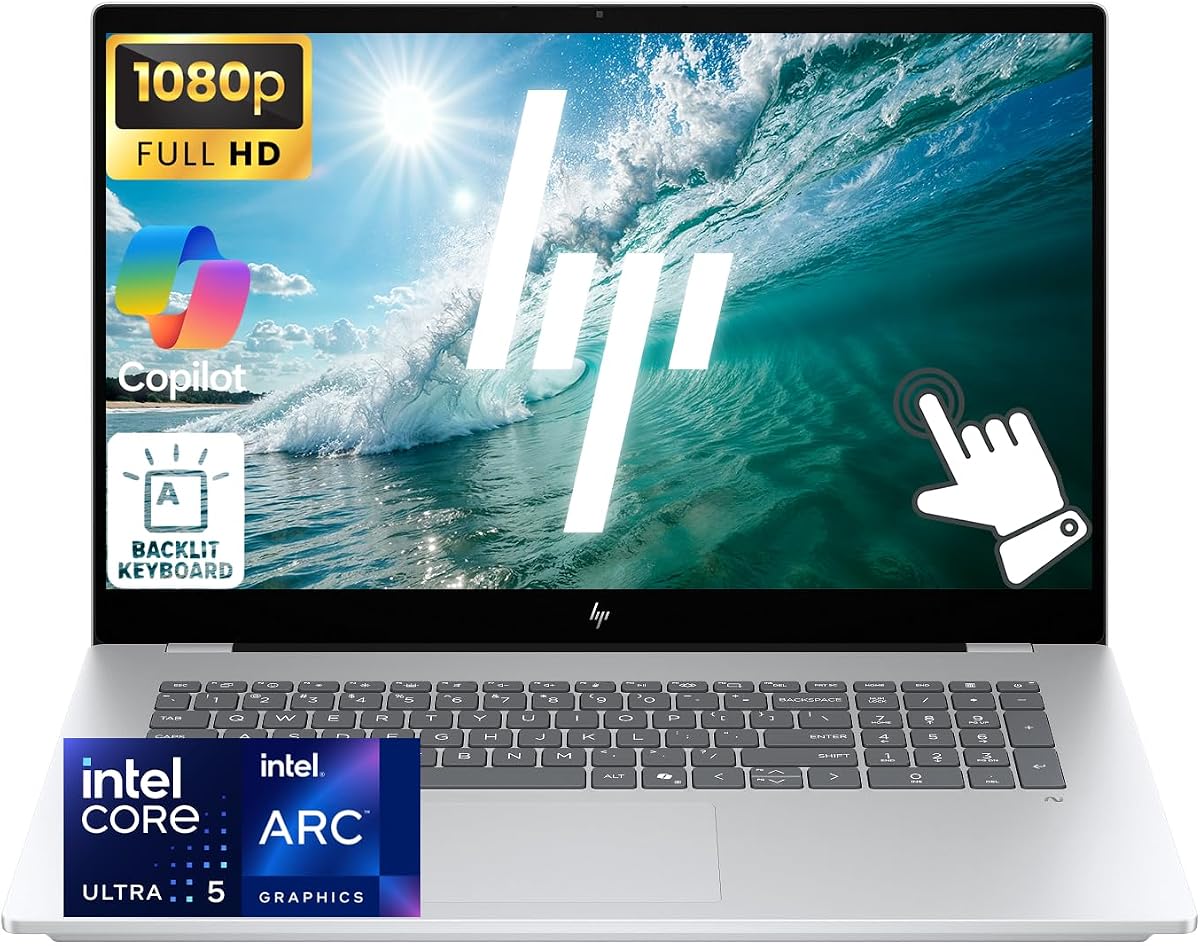
This HP OmniBook 7 offers a large display and solid performance at a competitive price. It holds an impressive 4.7 rating and includes a 17.3-inch FHD touchscreen with 100% sRGB color coverage for accurate design work.
We may earn a commission when you buy through this link, at no additional cost to you.
The Intel Core Ultra 5 processor provides efficient performance for daily tasks and moderate design applications. With 16GB of LPDDR5x RAM and a 1TB SSD it ensures smooth operation for most standard workflow needs without excessive cost.
While 16GB RAM is sufficient for many users heavy multitasking with multiple virtual machines might be limited. The larger screen consumes more battery which requires planning for work sessions away from power outlets.
Ideal for students or junior designers needing a capable machine without a huge budget. The large screen real estate helps in viewing detailed plans and the color accuracy is adequate for professional presentation purposes.
The 17.3-inch display offers more room for toolbars and reference images reducing the need for external monitors in a pinch.
100% sRGB coverage ensures that digital designs look consistent across most web browsers and standard design software interfaces.
We may earn a commission when you buy through this link, at no additional cost to you.
The Dell Precision 7680 stands as a high-performance workstation capable of handling extreme computing loads. It has a 4.4 rating and features the Intel Core i9-13950HX processor designed for complex professional workflows like CAD and 3D rendering.
We may earn a commission when you buy through this link, at no additional cost to you.
With 32GB DDR5 CAMM RAM the system supports faster data transfer and reduced physical height compared to traditional SODIMM. The design allows for support of up to three external monitors at 4K enabling expansive multi-screen setups for multitasking.
While integrated graphics may limit heavy GPU rendering tasks it excels in CPU-dependent simulations and data processing. The military-grade testing ensures durability making it a reliable choice for on-site work or frequent travel environments.
This laptop is best suited for technical users and architects who need raw CPU power over graphics performance. It offers enterprise-grade security and stability ensuring critical project data remains safe during high-intensity operations.
CAMM memory module allows for thinner profiles and better thermal performance which helps maintain sustained speeds under load.
Multiple Thunderbolt 4 and USB ports allow for easy connection to professional peripherals and high-speed storage drives.
We may earn a commission when you buy through this link, at no additional cost to you.
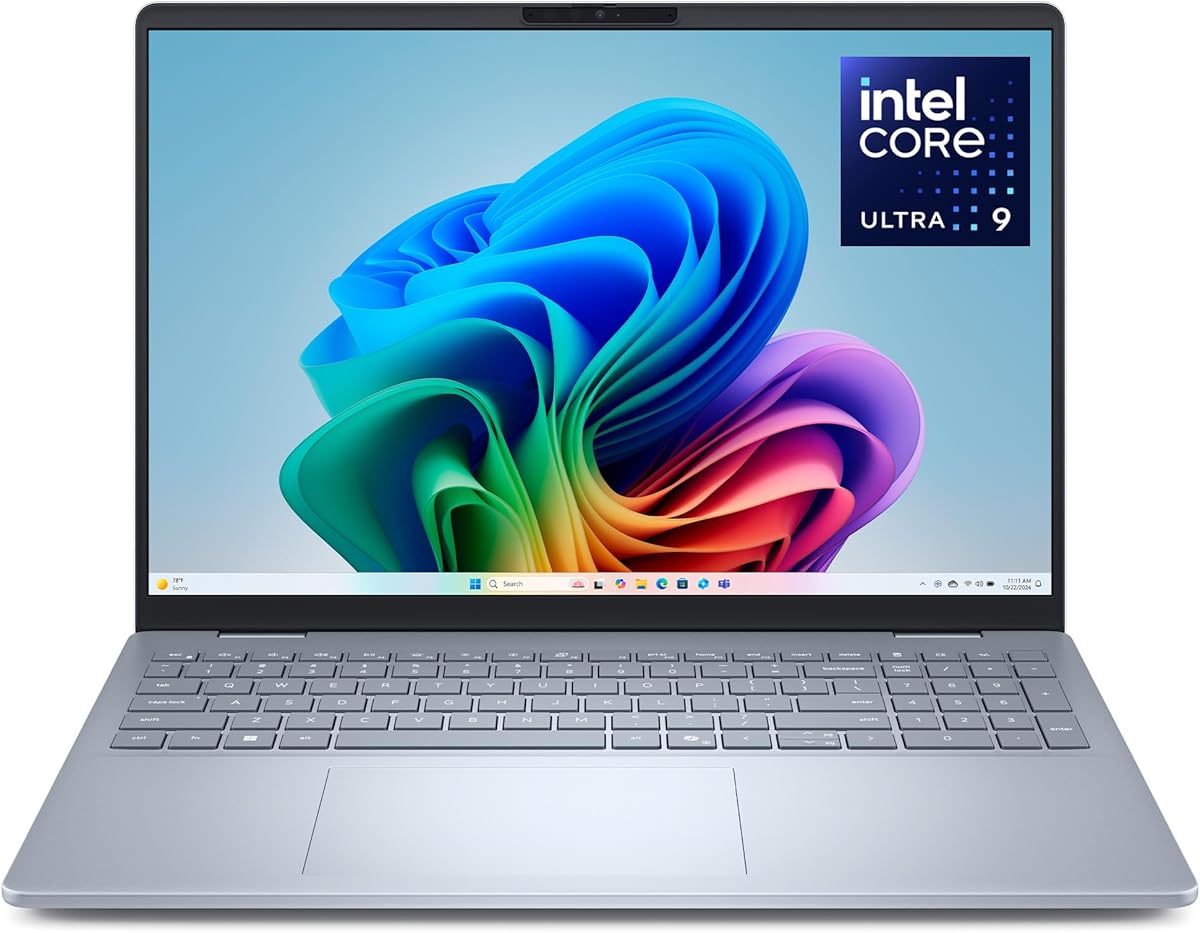
The Dell 16 Plus is designed to handle AI experiences and complex data sheets efficiently. It holds a 4.3 rating and features Intel's latest client compute engines designed for power efficiency and cooler performance in creator workloads.
We may earn a commission when you buy through this link, at no additional cost to you.
The expansive 16:10 screen provides more vertical space which is beneficial for viewing documents and design tools side by side. With 32GB of RAM users can manage multiple heavy applications simultaneously without significant performance degradation.
While it may lack a discrete GPU for heavy rendering it performs well for general design tasks and collaboration tools. The durability testing ensures it withstands daily travel and use in various environments like offices or client sites.
This model suits designers who prioritize collaboration and daily productivity over heavy 3D rendering. It offers a balance of modern AI features and reliable hardware for professionals working in mixed digital and office environments.
Built-in AI engines assist with background tasks enhancing overall system responsiveness and efficiency during long work sessions.
The 16:10 ratio maximizes usable vertical space allowing more content to be visible without excessive scrolling.
We may earn a commission when you buy through this link, at no additional cost to you.
This Precision model offers professional-grade capabilities suitable for designers needing reliable dedicated graphics. It has a 4.3 rating and includes an NVIDIA RTX 1000 Ada GPU which delivers stability for design and architecture tasks.
We may earn a commission when you buy through this link, at no additional cost to you.
Powered by the Intel Core i5-13600HX processor it balances efficiency with speed for general professional workloads. The 32GB DDR5 RAM ensures smooth multitasking while the CAMM technology allows for thinner and faster performance profiles.
The lower CPU tier means it may struggle with extreme simulations compared to i9 models but is excellent for standard modeling and rendering. It remains a robust option for users who need ISV certified stability without top-tier pricing.
Ideal for students or professionals starting with CAD work and 3D visualization. The professional design ensures compatibility with industry software providing a safe investment for long-term career use.
ISV certifications ensure that design tools run without errors reducing the risk of data loss during critical project deadlines.
Support for multiple external monitors allows for flexible workspace configurations to boost productivity during presentations.
We may earn a commission when you buy through this link, at no additional cost to you.
The Dell Precision 7680 with an i7 processor and RTX 2000 Ada GPU delivers strong performance for professional design. It holds a 3.9 rating and targets users needing robust stability and speed for CAD and engineering workflows.
We may earn a commission when you buy through this link, at no additional cost to you.
With 32GB DDR5 RAM and a 2TB SSD it provides ample memory and storage for extensive project libraries. The RTX 2000 Ada GPU supports accelerated rendering and visualizations essential for high-quality client presentations.
The slightly lower rating might reflect specific user experiences regarding price or thermal management under heavy load. However the hardware specs remain impressive for those requiring professional reliability and enterprise security features.
This laptop suits architects and engineers who need a balance of power and portability. Its durability and compatibility with professional software make it a solid choice for users with demanding technical requirements.
The dedicated NVIDIA RTX GPU speeds up rendering times and improves viewport performance during complex 3D modeling tasks.
A 2TB SSD allows users to store large archives and active projects locally without needing frequent cloud backups.
We may earn a commission when you buy through this link, at no additional cost to you.
This model offers the highest memory configuration in the lineup making it ideal for extreme multitasking. It holds a perfect 5.0 rating and features 64GB DDR5 RAM which allows seamless operation of many heavy design applications simultaneously.
We may earn a commission when you buy through this link, at no additional cost to you.
Equipped with the Intel Core i7-13850HX processor and NVIDIA RTX 2000 Ada GPU it delivers powerful performance for rendering and simulation tasks. The full-size keyboard with a numeric keypad enhances productivity for technical data entry tasks.
While the price is high the performance justifies the cost for professionals running virtual machines or large data sets. The perfect rating suggests high satisfaction among users who require maximum system resources for complex workflows.
Best suited for senior designers or technical leads managing multiple projects at once. It provides the power needed to avoid slowdowns and ensure smooth operation across diverse professional software ecosystems.
With 64GB RAM users can run several CAD programs and browser tabs simultaneously without any performance lag.
The dedicated numeric keypad is essential for quickly entering coordinates and measurements in professional design tools.
We may earn a commission when you buy through this link, at no additional cost to you.
This rolling laptop bag provides essential protection and organization for designers traveling with their gear. It has a 4.5 rating and fits laptops up to 17 inches ensuring compatibility with most professional workstation models.
We may earn a commission when you buy through this link, at no additional cost to you.
The quiet smooth-rolling wheels and retractable handle make navigating airports and office corridors effortless. Multiple interior and exterior pockets keep chargers and personal essentials organized preventing clutter and potential damage to sensitive equipment.
While not a computing tool it complements a high-end laptop by safeguarding investments during transit. The chic design adds a professional touch suitable for client meetings and business travel environments.
Ideal for designers who frequently travel for site visits or client meetings. It ensures your technology arrives safely and is easy to access providing peace of mind during daily commutes.
The retractable handle and inline wheels reduce physical strain carrying heavy equipment to various work sites.
The stylish design matches professional settings ensuring you look polished while transporting important work gear.
We may earn a commission when you buy through this link, at no additional cost to you.
This HP laptop serves as a budget-friendly option for basic design tasks and business work. It holds a 3.8 rating and includes a full Microsoft Office Suite making it ready for documents and basic presentations out of the box.
We may earn a commission when you buy through this link, at no additional cost to you.
With 16GB RAM it can handle multiple browser tabs and light applications smoothly. The inclusion of external storage helps with file management though the core drive is smaller than professional workstations.
The Intel Celeron processor limits performance for heavy rendering or 3D modeling tasks making it suitable for basic planning and admin work. Users needing powerful visuals may find the HD display resolution lacking for detailed design work.
This model fits students or freelancers starting out with simple project needs. It offers essential connectivity and portability for those who need a functional machine without high-end hardware investment.
Pre-installed Office Suite means immediate productivity for creating reports and project documents without extra software purchases.
A lightweight design makes it easy to carry in a backpack for daily commutes or quick meetings.
We may earn a commission when you buy through this link, at no additional cost to you.
Selecting the right laptop involves evaluating hardware components that directly impact your ability to run design software efficiently. This guide breaks down key factors to consider before making a purchase.
The processor is the brain of your laptop determining how quickly it can run complex simulations and render 3D models. Look for Intel Core i7 or i9 models or high-performance equivalents with multiple cores to handle multi-threaded tasks without lag.
Prioritize CPUs with high clock speeds and newer architectures for better efficiency and sustained performance during long rendering sessions.
A dedicated GPU is essential for smooth viewport navigation and realistic lighting in 3D design software. NVIDIA RTX series cards are preferred for their ray tracing capabilities and ISV certifications ensuring compatibility with CAD programs.
Choose a card with at least 6GB VRAM for handling high-resolution textures and complex scenes without memory bottlenecks.
Memory allows your laptop to run multiple applications simultaneously without slowing down. Interior design workflows often require large memory pools to load detailed files and background processes efficiently.
Opt for at least 32GB of DDR5 RAM to ensure future-proof performance and smooth multitasking across heavy design suites.
Accurate color reproduction is critical for selecting materials and presenting designs to clients. Look for screens with 100% sRGB or DCI-P3 color gamut coverage and high brightness levels for visibility in various lighting conditions.
Prioritize high resolution and panel types like OLED or IPS for better viewing angles and sharper text clarity.
Fast storage reduces load times for large project files and helps the operating system respond quickly to commands. Solid State Drives (SSDs) are standard for professional workstations due to their speed and reliability.
Aim for a minimum of 1TB storage to keep multiple projects and asset libraries locally accessible without relying on slow external drives.
Designers often need to travel between studios and client sites so a portable laptop is valuable. Consider weight and battery life to ensure you can work for several hours unplugged during site visits.
Balance screen size with portability by choosing models under 4 pounds if frequent travel is part of your routine.
Modern design tools often require external monitors high-speed storage and other peripherals. Ensure the laptop has sufficient ports such as Thunderbolt 4 HDMI and USB-A to connect all your necessary equipment.
Look for laptops with Wi-Fi 6 or newer standards to maintain fast network speeds for cloud collaboration and large file transfers.
Professional laptops should withstand daily wear and tear including travel to construction sites or offices. Military-grade testing certifications indicate the device can handle temperature changes and physical shocks better than consumer models.
Choose a chassis made from high-quality materials like aluminum to ensure long-term durability and a professional appearance.
Ensure your laptop is calibrated for color accuracy using professional tools to maintain consistency between your design and printed materials. Regular calibration prevents client revisions due to color mismatches and enhances your professional reputation.
Keep your system updated with the latest drivers especially for graphics and processor components to maintain stability and performance. Use manufacturer software to monitor temperatures and ensure fans are clear of dust to prevent overheating.
Store your laptop in a padded case when traveling to protect against physical shocks and scratches. Use surge protectors when plugging in to safeguard against power fluctuations that could damage internal components or data.
Yes a dedicated graphics card is highly recommended for interior design work. It accelerates 3D rendering and ensures smooth navigation through complex models in software like Revit and SketchUp. Without it you may experience lag and slower performance.
For running multiple design applications simultaneously 32GB of RAM is the recommended standard. It provides enough memory to handle large files and background processes without slowdowns. 16GB may suffice for basic tasks but limits heavy multitasking.
Color accuracy is critical for interior designers to ensure materials match client expectations. A screen with 100% sRGB or higher coverage guarantees that colors are represented accurately. This prevents costly errors in material selection and client presentations.
While tablets offer portability they often lack the raw processing power required for heavy 3D rendering. A laptop is generally better suited for running full desktop design software. You may use a tablet for sketching but rely on a laptop for final production.
Most laptops come with Windows 11 Pro which supports all major design tools. You may need to install specific software like AutoCAD or Adobe Creative Cloud separately. ISV certified laptops ensure these apps run without compatibility issues.
To extend battery life adjust screen brightness and disable unnecessary background apps. Use power saving modes when not actively rendering heavy graphics. Keeping your system updated also helps manage power consumption efficiently.
Mobile workstations offer better cooling and reliability for long rendering sessions. They are worth the cost if you work on complex 3D models daily. However casual users might find consumer-grade laptops sufficient for basic design tasks.
Look for Thunderbolt 4 ports to support high-speed data transfer and external monitors. USB-A and HDMI ports are essential for connecting older peripherals. Wi-Fi 6 ensures fast wireless connectivity for cloud collaboration during projects.
Selecting the right laptop depends on your specific workflow needs and budget constraints. The models highlighted offer a range of options from affordable workstations to high-end machines capable of handling complex 3D projects.
Prioritize features like color accuracy processing power and memory capacity to ensure your tool supports your design growth. Investing in quality hardware helps avoid frustration and enhances productivity across all your professional projects.
Prices and availability change frequently so verify current details before purchasing. Check for the latest deals and warranty options to ensure you get the best value for your investment today.