
Upgraded Version Bed Sensor Alarm and Fall Prevention
4.5Editor score
Motion sensor detection
Nine hundred eighteen feet range
Dual power options
Selecting the right safety device is crucial for protecting vulnerable loved ones from nighttime risks. A reliable bed alarm helps caregivers monitor movement without constant physical supervision, offering peace of mind during sleep hours.
We evaluated ten top-rated systems based on sensor accuracy, pager range, ease of setup, and user feedback. Each product was analyzed for its ability to alert caregivers promptly when a patient attempts to rise from bed.
Every pick highlights specific strengths like wireless range or silent modes. Note that availability and pricing may vary by region and retailer, so always verify current details before purchasing your preferred safety device.
4.5Editor score
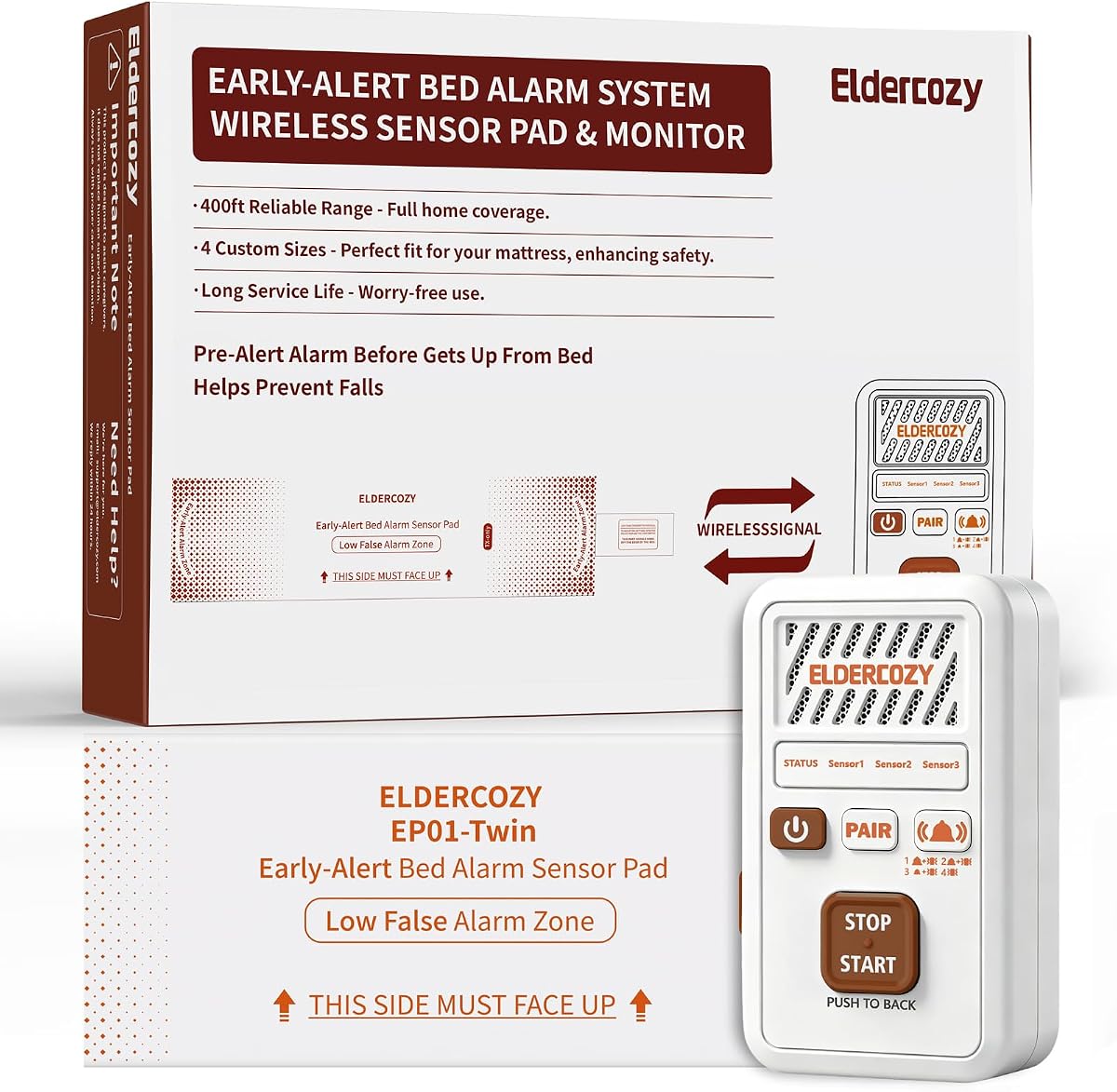
4.8Editor score
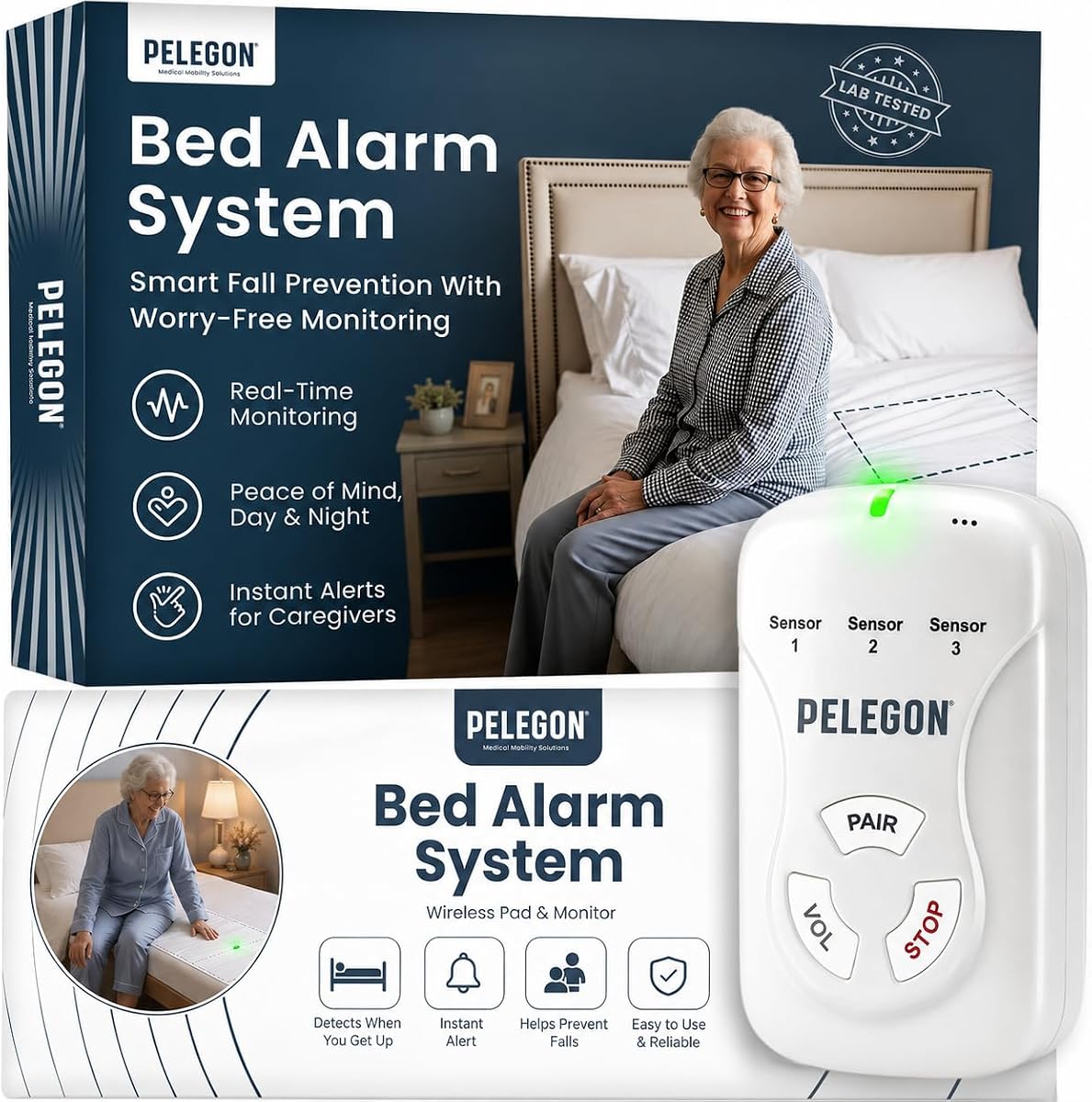
4.7Editor score
As an Amazon Associate we earn from qualifying purchases.
The following table provides a quick side-by-side overview of key specifications for each reviewed system. Compare sensor types, alert methods, and range capabilities to find the best fit for your home care needs.

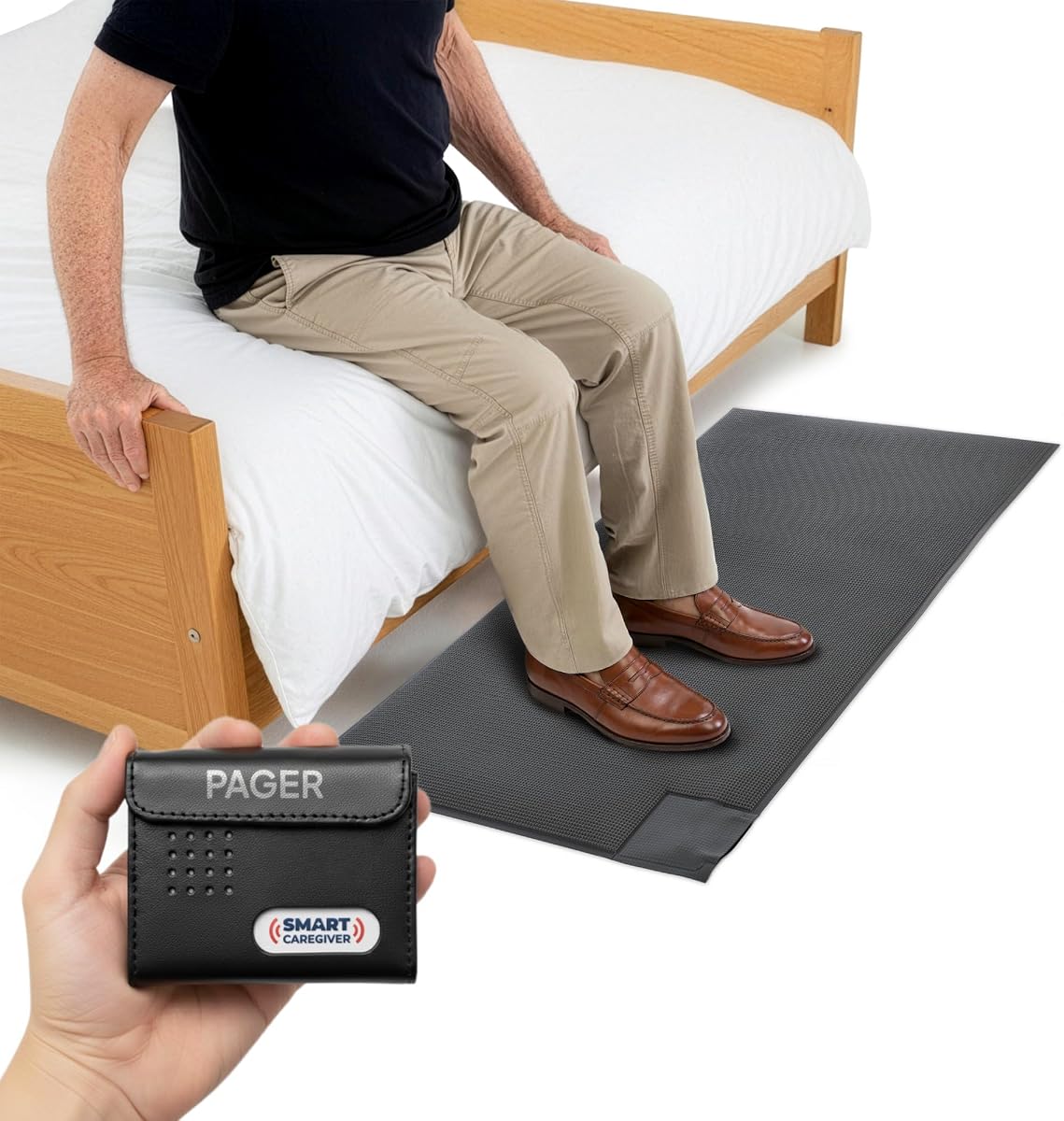


This system stands out for its rapid detection capabilities and flexible alert options. It holds a strong rating among users who value prompt notifications when a loved one begins to rise. The wireless design allows caregivers to remain in adjacent rooms while staying fully informed of patient movements.
We may earn a commission when you buy through this link, at no additional cost to you.
The pad detects motion as soon as a person shifts weight, offering crucial seconds to prevent falls. Its long range ensures you hear alerts even from another part of the house. Custom volume and vibration settings let you tailor notifications to suit day or night care needs without disturbing sleep.
While the price is higher than basic models, the durability and feature set justify the investment. Some users note the pad adds slight height to the mattress. However, this is a minor trade-off for the reliable safety and peace of mind it provides for dementia caregivers.
Ideal for families needing robust monitoring without constant physical presence. The ease of setup means you can deploy it immediately without technical hassle. We recommend this for anyone seeking a top-tier solution that balances sensitivity with user-friendly features.
The pad triggers instantly upon detecting weight shifts, giving caregivers vital time to assist before a fall occurs.
Vibration-only mode ensures alerts are received without waking the patient or disturbing roommates during overnight care.
We may earn a commission when you buy through this link, at no additional cost to you.
This model offers a straightforward approach to bed exit monitoring. It triggers when pressure is removed from the pad, letting you know if your loved one leaves the bed. The design focuses on simplicity, making it accessible for users who prefer traditional setups over wireless complexity.
We may earn a commission when you buy through this link, at no additional cost to you.
The vinyl pad is designed to withstand daily use and resists fluids for easy cleaning. Alerts can be set to sound in the room or remain silent depending on your preference. This flexibility helps balance immediate response with patient comfort, especially if loud noises cause anxiety.
Users appreciate the durable build and clear status indicators for battery and sensor health. However, the wired connection can limit placement options compared to wireless systems. The lack of an included remote pager means you must rely on room-based alerts unless you buy an add-on kit.
Best suited for setups where the monitor stays near the bedside. It works well for users who need a no-fuss alarm without extra components. If you prioritize reliability and ease of maintenance, this system delivers consistent performance for everyday safety needs.
The soft vinyl and foam interior resist wear and are easy to wipe down for hygiene and longevity.
You can choose between audible room alerts or quieter options to suit specific patient sensitivities.
We may earn a commission when you buy through this link, at no additional cost to you.
This system prioritizes comfort without sacrificing safety. The TPU material avoids the noisy crinkling of PVC pads, ensuring uninterrupted sleep. It detects when a patient sits on the edge of the bed, alerting caregivers before they stand up fully and reducing fall risks significantly.
We may earn a commission when you buy through this link, at no additional cost to you.
The wireless signal reaches up to 400 feet, allowing freedom of movement throughout the home. Batteries are replaceable, giving the system a long lifespan compared to disposable options. A unique Caregiver Mode pauses alerts for twenty minutes when you are assisting, preventing constant chimes during care routines.
Critics note the higher upfront cost, but the durability and comfort features offset this over time. Some find the initial battery setup slightly involved. However, once active, the system provides reliable, silent monitoring that respects patient dignity while keeping them safe from wandering or falling.
Perfect for those prioritizing comfort and range. The waterproof design makes cleanup easy, which is vital for incontinence care. We recommend this for users seeking a high-end solution that combines advanced detection with patient-friendly materials and smart caregiving tools.
Soft TPU composite ensures the pad stays quiet under the sheet so sleep is not disturbed by crinkling noises.
Pause alerts during assistance to avoid unnecessary noise and keep the environment calm during care interactions.
We may earn a commission when you buy through this link, at no additional cost to you.
This system offers impressive range and functionality at a budget-friendly price point. Instead of a bed pad, it uses a motion sensor placed on the floor to detect when a foot touches the ground. This method avoids false alarms from tossing and turning on the mattress.
We may earn a commission when you buy through this link, at no additional cost to you.
The pager reaches up to 918 feet in open areas, making it ideal for large homes or multi-story setups. Power options include batteries or Micro USB for continuous charging. Five volume levels allow you to adjust the alarm to your hearing needs or room acoustics.
Users note that sensor positioning requires care to avoid missing triggers or getting false positives. The motion detection can sometimes miss subtle movements compared to weight sensors. However, the low cost and extensive range make it a compelling choice for those on a tight budget.
Best for large spaces where distance matters. It works well for users who want a simple, wireless solution without spending too much. If you can manage the sensor placement carefully, this device provides excellent value for daily monitoring.
Signal transmission covers nearly 900 feet, allowing you to roam far from the patient before receiving an alert.
Choose between battery operation or Micro USB charging to keep the system running without constant battery changes.
We may earn a commission when you buy through this link, at no additional cost to you.
This floor mat system is designed to alert caregivers when a patient steps onto the mat rather than lying on a bed pad. Its large size covers the area beside the bed, ensuring detection even if movement is uncoordinated. This setup is particularly useful for preventing wandering near exits.
We may earn a commission when you buy through this link, at no additional cost to you.
The wireless pager alerts up to 300 feet away, letting caregivers work elsewhere while monitoring safely. It offers sound and vibrate modes to avoid startling the patient. The system can be paired with other sensors, expanding coverage to doors or chairs as needed.
Users find the durable mat easy to place and clean. However, it cannot be used under sheets, limiting it to floor-only setups. This means it might miss attempts to rise if the patient does not step on the mat immediately. It serves better as a supplementary safety measure.
Ideal for homes with high wandering risks. Use it alongside a bed sensor for comprehensive protection. If you need a versatile system that adapts to various rooms and entry points, this offers a robust option with professional-grade monitoring features.
Place the mat near exit doors to detect attempts to leave the room, providing an extra layer of safety.
Use vibrate mode on the pager to stay informed without making noise that could startle the patient.
We may earn a commission when you buy through this link, at no additional cost to you.
This bed exit alarm focuses on early detection to stop falls before they happen. The weight-sensing pad alerts when pressure is removed from the bed, signaling that the patient is standing up. It supports multiple sensors, allowing you to monitor beds, chairs, and other areas simultaneously.
We may earn a commission when you buy through this link, at no additional cost to you.
The included pager offers both sound and vibration options, giving caregivers flexibility in how they receive notifications. As a US-based company, Smart Caregiver provides reliable customer support, which is valuable for troubleshooting setup or technical issues. The design prioritizes simplicity and consistency.
Some users mention the cord between pad and monitor can be a tripping hazard if not secured properly. The alert options are less customizable than higher-end models. However, the reliability of the sensor and expandable network make it a strong contender for multi-area monitoring.
Best for facilities or homes needing scalable solutions. It works well for users who prefer a no-fuss system with solid support. If you need to monitor several spots with one pager, this system delivers comprehensive coverage with trusted quality.
Connect up to six sensors to monitor beds, chairs, and doorways with a single pager device.
Benefit from US-based customer service and warranty options for peace of mind during daily use.
We may earn a commission when you buy through this link, at no additional cost to you.
This device uses a motion sensor placed on the floor to detect when feet touch the ground. It avoids the false alarms common with bed pads by focusing on movement outside the bed. The receiver is portable and can be moved around the house easily with its Type-C charging.
We may earn a commission when you buy through this link, at no additional cost to you.
Users appreciate the silent and vibrate modes which ensure alerts are received quietly. This is ideal for overnight monitoring where noise would be disruptive. The volume range is wide enough to suit different hearing needs, and the receiver can be silenced if needed during rest.
Some users note that motion detection might miss slow or small movements compared to pressure sensors. The range depends on placement, requiring careful testing before fixing it permanently. However, the portability and charging options offer modern conveniences that older models lack.
Suitable for users who want to avoid bed pads. It works well for night monitoring where quiet alerts are necessary. If you value a compact and rechargeable system, this option provides reliable safety without cluttering the bedside area.
Type-C port allows easy charging with modern cables, reducing dependency on disposable batteries.
Switch to vibration mode to get alerts without noise, keeping the environment calm for patients.
We may earn a commission when you buy through this link, at no additional cost to you.
This sensor offers long-range monitoring for large homes or facilities. The motion sensor detects movement on the floor, triggering a pager that can be carried by caregivers. It supports multiple alert modes, including sound and light, to ensure notifications are never missed.
We may earn a commission when you buy through this link, at no additional cost to you.
Power options include batteries or Micro USB for flexibility in placement. The range reaches up to 918 feet, which is ideal for keeping caregivers in another room while monitoring. Setup is simple as the devices come paired from the factory, ready for use after battery installation.
Some users find the motion sensor less precise than weight sensors, requiring careful placement. The LED light alerts can be bright in dark rooms. However, the durability and extended range make it a strong choice for environments where distance is a key factor in safety.
Best for large properties or multi-room monitoring. It works well for users who want to minimize physical contact with the patient. If you prioritize range and simplicity, this system offers robust performance for fall prevention.
Signal reaches 918 feet in open areas allowing significant mobility while keeping the patient monitored.
Switch between sound light or combined alerts to suit your environment and personal preferences.
We may earn a commission when you buy through this link, at no additional cost to you.
This system includes both a bed pad and a chair pad to monitor multiple seating areas. It is ideal for users who spend significant time in chairs or wheelchairs. The monitor clips onto the headboard or chair, keeping the alarm close to the patient.
We may earn a commission when you buy through this link, at no additional cost to you.
The vinyl pads are sealed for incontinence protection and are easy to clean. Volume levels are adjustable via the battery compartment. A reset button allows you to silence the alarm quickly after assisting the patient. This setup simplifies monitoring across different parts of the day.
The wired connection limits movement as the monitor must stay near the pad. It lacks wireless flexibility, which can restrict caregiver mobility. However, for static setups, it provides reliable coverage for bed and chair exits without requiring extra purchases.
Ideal for users needing chair monitoring. It works well in rooms where the monitor can stay stationary. If you need to prevent falls from both beds and chairs without buying extra units, this dual-pad system offers great value.
The included chair pad alerts when pressure is removed from a seat, preventing falls when sitting.
A phone-style clip lets you switch the monitor between bed and chair pads easily.
We may earn a commission when you buy through this link, at no additional cost to you.
This basic system uses a motion sensor pad to monitor patient movement under the sheets. It triggers an alarm when movement is detected, alerting caregivers to potential bed exits. The pager is portable and offers adjustable alerts to suit different care scenarios.
We may earn a commission when you buy through this link, at no additional cost to you.
The pad is made of latex-free and water-resistant materials, making it suitable for hygiene needs. It is easy to install under the fitted sheet without complex tools. The range is sufficient for most rooms, allowing you to move freely while staying connected.
User ratings are lower than other options, suggesting some inconsistency in detection or durability. Motion-based bed pads may sometimes register false alarms from rolling over. However, for those seeking a basic solution, it provides essential alerts without high costs.
Best for simple home setups. It works well for users needing a straightforward alarm without advanced features. If you want an affordable option with basic customization, this system covers the basics of bed exit monitoring.
Secure the pad under the fitted sheet with clips to start monitoring in minutes.
Water-resistant materials make cleaning easy, maintaining hygiene for patients with incontinence issues.
We may earn a commission when you buy through this link, at no additional cost to you.
Choosing the right alarm requires understanding your home layout and the specific needs of the patient. This section breaks down the key factors to consider for effective monitoring.
Pressure pads detect weight changes when a patient stands up, while motion sensors detect movement on the floor. Pressure pads offer early alerts before the patient stands fully, whereas motion sensors reduce false alarms from rolling over.
Select pressure pads for bed exit prevention and motion sensors for wandering detection.
Range determines how far you can walk from the patient before the signal is lost. Models offer between 300 and 900 feet. Larger homes or multi-story buildings require longer range pagers to ensure you always receive alerts.
Ensure the range covers your entire living area to avoid missed notifications.
Alerts can include sound, vibration, or light. For nighttime use, vibration modes prevent waking the patient or partners. Sound alerts are useful for daytime or when the patient needs immediate reminders to stay seated.
Prioritize customizable modes to balance safety with patient comfort.
Devices may run on batteries, USB charging, or AC adapters. Battery models offer portability but need frequent changes. USB charging allows continuous power without cords in the path. Consider your ability to manage battery changes.
Choose rechargeable options for convenience or battery models for flexibility.
Pads should be waterproof or water-resistant to withstand incontinence and spills. Vinyl and TPU materials are durable and easy to clean. A durable pad ensures the system remains functional through daily wear and cleaning.
Opt for waterproof materials for hygiene and longevity.
Quick setup is vital for timely deployment. Tool-free designs and wireless pairing save time. Systems requiring wires may be harder to manage but offer stable connections. Check if installation requires complex tools.
Select tool-free setups to deploy safety features immediately.
Some systems allow adding more sensors for doors or chairs. If you monitor multiple areas, an expandable network is useful. This lets one pager handle alerts from various rooms without buying separate devices.
Consider future needs to see if the system can grow with your monitoring requirements.
Prices vary widely based on features and range. Basic models cost less but may lack durability. High-end options offer comfort and long life. Balance your budget with the necessary features for your situation.
Invest in features that matter most to your safety goals.
Place the sensor pad flat under the fitted sheet near the patient's shoulders or hips. Ensure the monitor connects securely to the pad. Test the alarm by getting up to verify it triggers correctly before leaving the patient unattended.
For motion sensors, place them on the floor beside the bed. Adjust the angle to cover the path to the floor. Avoid placing near heat sources or objects that might block signals. Keep the sensor free of dust and debris.
Clean pads regularly with a damp cloth to remove dirt. Ensure the device is fully dry before use. Check battery levels weekly and replace them promptly. A low battery can compromise safety, so use status lights to monitor power.
A bed alarm detects when a patient leaves their bed or attempts to stand. It triggers a silent or loud alert to a caregiver's pager. This allows for quick intervention to prevent falls or wandering while allowing the caregiver to be away from the room.
Yes, most models offer vibration-only modes or silent alerts that only notify the caregiver. This ensures you know when the patient is moving without making noise that could wake them or cause confusion during nighttime hours.
Many systems are designed for both home and clinical settings. They often feature durable, waterproof materials and expandable monitoring. Always verify if the model meets healthcare facility policies before using it in a hospital environment.
Most monitors have low battery indicators to warn you before the system fails. Some devices continue working on battery power until completely drained, while others require immediate replacement. Regular checks prevent unexpected shutdowns.
No, most of these systems use radio frequency signals between the sensor and pager. They do not rely on Wi-Fi or apps, making them reliable even if your internet connection is down or slow.
Yes, pressure sensors detect weight on the bed and alert when weight is removed. Some models are tuned to detect sitting on the edge of the bed, which is a common precursor to standing up.
The PELEGON, Twin Size Wireless, and Upgraded Version systems stand out for their balance of range, comfort, and features. Each offers distinct advantages depending on your specific care environment and patient needs.
Prioritize features like silent modes and long range to ensure you stay informed without disturbing sleep. Durability and easy setup are also key to maintaining safety consistently over time without frustration.
Always check current availability and retailer details before purchasing. Prices and stock vary by region, so confirm the device meets your current safety requirements before finalizing your order.