
Rokinon Cine DS DS85M-C 85mm T1.5
4.5Editor score
Full frame coverage
Unified gear positions
Affordable price point
This guide compares the top 10 cine lenses for filmmakers, covering aperture, build quality, and optical performance to help you choose the right gear.
Selecting the right cine lens is crucial for any filmmaker aiming to produce professional quality video content. These lenses offer precise manual focus, consistent aperture rings, and optical designs tailored for motion picture capture.
We have evaluated ten top-rated cine lenses based on their optical performance, build quality, and versatility across different camera mounts. This list includes options for various budgets and sensor sizes to suit diverse production needs.
Each pick highlights key features like aperture range, focus breathing, and mount compatibility. Keep in mind that pricing and availability may fluctuate, so verify current details before making your final purchase decision.
4.5Editor score
5.0Editor score

5.0Editor score
The following table provides a side-by-side comparison of all ten lenses, highlighting their key specifications and strengths to help you find the perfect match for your camera system.


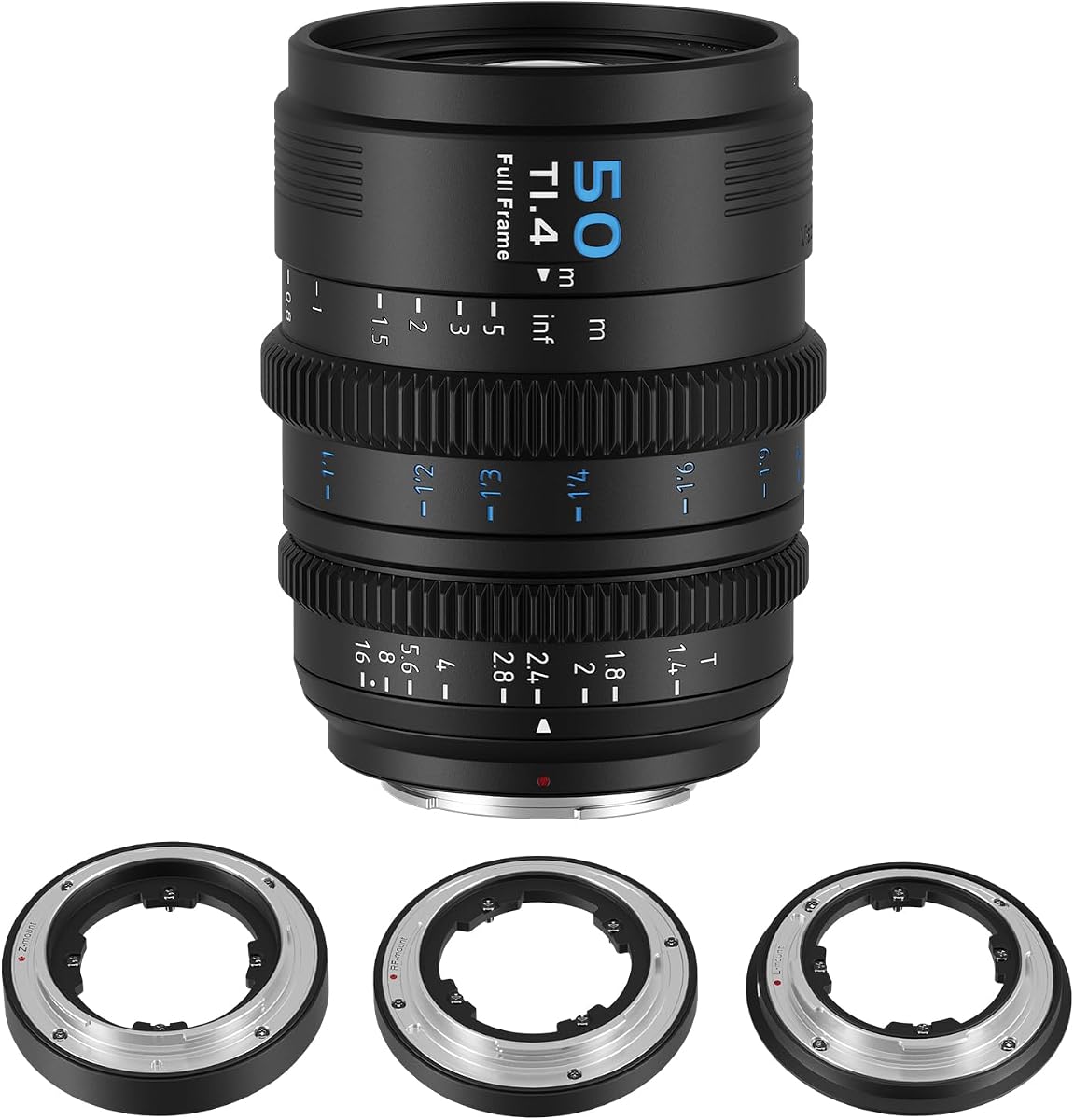


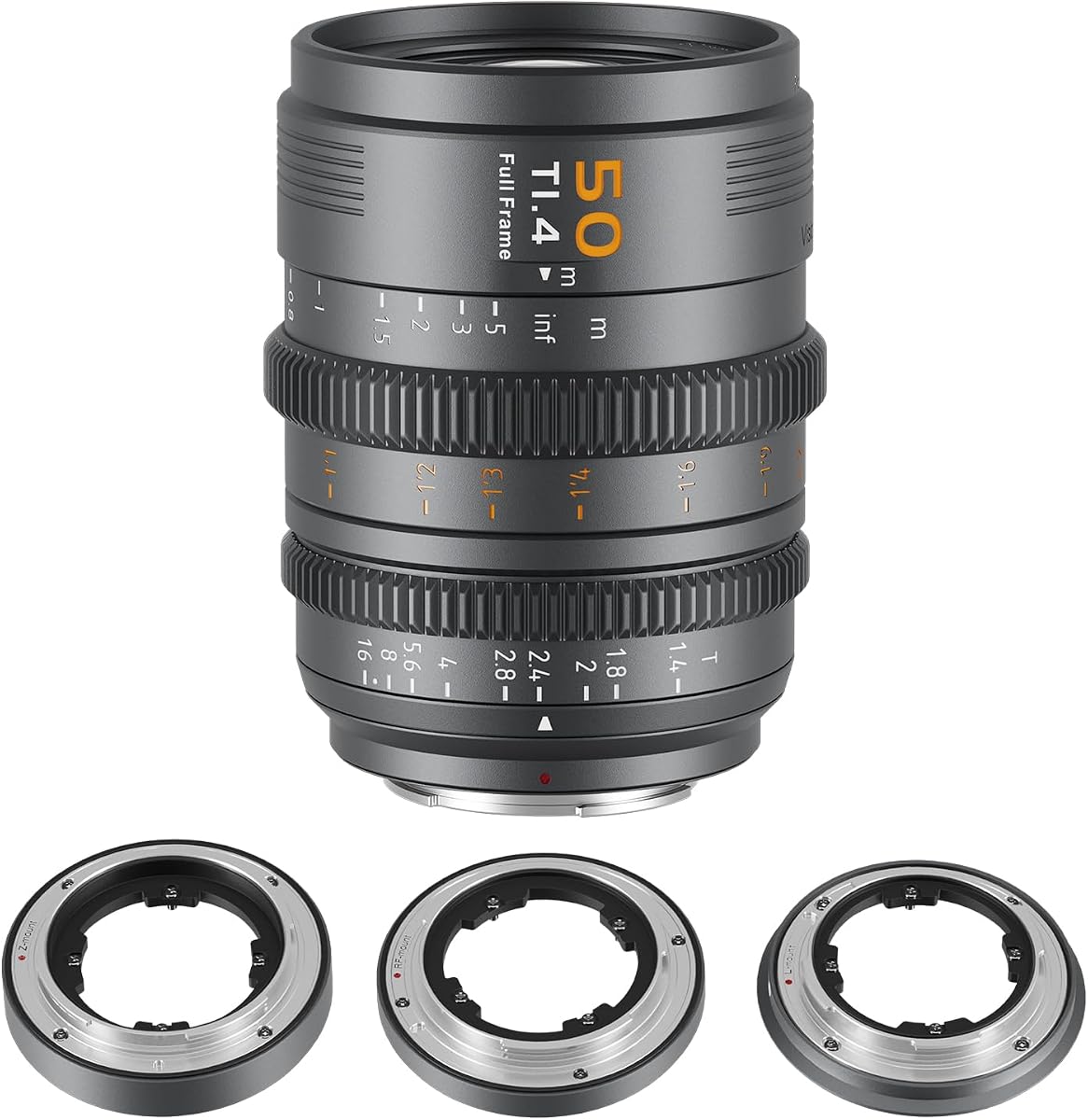
The SIRUI VP-1 Vision Prime 1 50mm T1.4 stands out as an exceptional choice for modern filmmakers. With a perfect five-star rating, it delivers superior optical quality and versatile mounting options that adapt to various camera systems effortlessly.
We may earn a commission when you buy through this link, at no additional cost to you.
Its T1.4 aperture allows for stunning low-light capabilities and beautiful background separation. The lens features aspherical elements and advanced ED glass that minimize distortion and chromatic aberrations, ensuring edge-to-edge sharpness even at the widest setting.
While the lens is designed for full-frame sensors, its compact aluminum body makes it ideal for gimbal work. The interchangeable mount system lets you switch between E, RF, Z, and L mounts without needing a whole new lens.
This lens is perfect for documentary filmmakers and travel shooters who need reliability and quality in a portable package. Its consistent color tone across the lineup ensures seamless integration into any production workflow.
The interchangeable mount system allows seamless switching between Sony, Canon, Nikon, and Panasonic cameras without replacing the lens body.
Advanced optical elements deliver the resolution and clarity required for high-end 8K video production while minimizing aberrations.
We may earn a commission when you buy through this link, at no additional cost to you.
The Rokinon Cine DS DS85M-C 85mm T1.5 offers incredible value for filmmakers on a budget. It provides professional cine features like de-clicked aperture rings and unified gear positions at a fraction of the cost of high-end alternatives.
We may earn a commission when you buy through this link, at no additional cost to you.
Its T1.5 aperture makes it suitable for portrait work and low-light situations, while the 8-blade iris creates attractive bokeh. The lens covers full-frame sensors and maintains consistent color matching with other Rokinon DS lenses.
Users note that while it is heavier than some mirrorless options, the build quality is robust. The unified gear and aperture positions make it easy to adapt to rig systems without additional adjustment.
This lens is an ideal entry point for those transitioning from still photography to cinema. It provides the tactile feel and optical performance needed for narrative projects without breaking the bank.
Unified gear positions and de-clicked rings mimic expensive cinema lenses, making rigging and exposure control seamless.
The 8-blade iris produces soft, pleasing out-of-focus highlights that elevate portrait and narrative storytelling.
We may earn a commission when you buy through this link, at no additional cost to you.
The DZOFILM Pictor 50-125mm T2.8 is a powerhouse for professional production environments. It features a parfocal design that maintains focus throughout the zoom range, a critical requirement for broadcast and high-end cinema work.
We may earn a commission when you buy through this link, at no additional cost to you.
With minimal focus breathing, this lens ensures that framing remains consistent during focus pulls. The 16-slat iris provides precise exposure control, and its compatibility with both PL and Canon EF mounts increases its versatility across different camera bodies.
While it is a significant investment, the optical precision and build quality justify the cost. It is engineered to withstand the rigors of daily professional use while delivering pristine image quality.
This lens is perfect for production houses and rental houses that need reliability. Its parfocal nature saves time on set, allowing crews to focus on creativity rather than technical adjustments.
Maintains focus across the entire 50-125mm range, essential for dynamic shots where zooming while filming.
Minimal shifting in angle of view during focus pulls ensures consistent framing for professional storytelling.
We may earn a commission when you buy through this link, at no additional cost to you.
The Rokinon 35mm T1.5 Cine DS lens provides a versatile wide-angle option for shooters using Canon EF mount cameras. It is known for its sharpness and color consistency across the Rokinon DS series.
We may earn a commission when you buy through this link, at no additional cost to you.
Its T1.5 aperture is bright enough for many indoor and outdoor scenes, providing good light gathering capabilities. The lens features unified gear positions that make it compatible with standard cinema rigs and follow focus systems.
The minimum focusing distance of 12 inches allows for some close-up work, though it is primarily designed for general cinematography. Users appreciate the smooth focus throw and the tactile feedback of the manual rings.
For budget-conscious filmmakers needing a reliable 35mm equivalent, this lens is a solid choice. It pairs well with other lenses in the DS kit to create a cohesive look across various scenes.
The 35mm focal length offers a natural field of view suitable for dialogue scenes and environmental storytelling.
Consistent gear placement across the series ensures quick rig swaps without remounting focus gears.
We may earn a commission when you buy through this link, at no additional cost to you.
The SIRUI Night Walker 35mm is engineered specifically for low-light filming with its impressive T1.2 aperture. This allows filmmakers to shoot in dim conditions without raising ISO too high, preserving image quality.
We may earn a commission when you buy through this link, at no additional cost to you.
Weighing only 500g, it is an exceptionally lightweight option for Sony E-mount cameras like the FX30 or A6500. The 12-blade aperture ensures that out-of-focus areas render smoothly, enhancing the cinematic look of the footage.
Users report outstanding optical performance with minimal focus breathing even at the maximum aperture. The aluminum housing is robust yet portable, making it a favorite for documentary shooters who move frequently.
This lens is ideal for street photography at night or documentary work in challenging lighting. Its compact size and fast aperture make it a hidden gem for those seeking high performance without bulk.
The T1.2 aperture lets you shoot in near-darkness while maintaining low noise and rich detail in the shadows.
At just 500g, it balances effortlessly on gimbals, making handheld and stabilized shots easier to manage.
We may earn a commission when you buy through this link, at no additional cost to you.
The SIRUI Night Walker 24mm RF brings a wide-angle perspective to Canon RF mount users with excellent optical quality. Its T1.2 aperture is rare for this focal length, allowing for expressive shallow depth of field shots.
We may earn a commission when you buy through this link, at no additional cost to you.
Designed for S35 cameras, this lens offers a versatile field of view for landscapes and street scenes. The ability to focus as close as 0.3m opens up creative possibilities for detailed macro-style compositions within a wide frame.
The focus rotation of 270 degrees ensures smooth and precise manual adjustments. The optical design minimizes aberrations, keeping corners sharp which is crucial for wide-angle storytelling.
This lens is highly recommended for vloggers and indie filmmakers using Canon mirrorless cameras. It provides the wide framing needed for dynamic environments while maintaining professional optical characteristics.
The 24mm focal length captures broad environmental context, perfect for travel and narrative cinematography.
Close focusing to 0.3m allows for intimate details shots without needing a dedicated macro lens.
We may earn a commission when you buy through this link, at no additional cost to you.
The SIRUI VP-1 Vision Prime 1 50mm is designed for travel filmmakers who need a high-quality lens that fits easily in a camera bag. Its compact design does not compromise on optical performance or build quality.
We may earn a commission when you buy through this link, at no additional cost to you.
With a T1.4 aperture, it delivers excellent low-light performance and beautiful bokeh. The interchangeable mount system means you can use one lens body across multiple camera systems, saving money and space.
The consistent color temperature across the set ensures that footage looks uniform even if you switch lenses during a shoot. Users appreciate the solid aluminum construction that feels premium in the hand.
This lens is perfect for solo travelers and documentarians who need flexibility. It offers a standard 50mm perspective that is versatile for portraits and general scene setup.
The lightweight aluminum body fits easily into small camera bags without sacrificing durability or image quality.
Matched color temperature ensures seamless transitions when switching lenses during a single production shoot.
We may earn a commission when you buy through this link, at no additional cost to you.
The SIRUI Night Walker 24mm M4/3 is a fantastic option for users of cameras like the Blackmagic Pocket Cinema Camera 4K or GH series. It leverages the fast T1.2 aperture to deliver stunning results in challenging lighting.
We may earn a commission when you buy through this link, at no additional cost to you.
Its optical design ensures minimal focus breathing and controlled aberrations, which is rare at this price point. The aluminum housing is sturdy and protects the internal elements while keeping weight low for handheld operation.
Users report that the 12-blade aperture creates pleasing bokeh, adding a cinematic touch to the footage. The 270-degree focus rotation provides the precision needed for manual focus pulling.
This lens is highly recommended for filmmakers using Micro Four Thirds cameras. It combines professional optical features with an accessible price point, making it a top choice in this category.
Designed to match the sensor size of M4/3 cameras, ensuring full coverage without vignetting.
The 12-blade iris ensures smooth and rounded out-of-focus areas for a professional cinematic look.
We may earn a commission when you buy through this link, at no additional cost to you.
The Rokinon DSX85 DSX 85mm is a classic portrait lens that delivers beautiful subject separation and sharpness. Its T1.5 aperture allows for soft background blur, making it ideal for interviews and narrative close-ups.
We may earn a commission when you buy through this link, at no additional cost to you.
Constructed with ultra multi-coated glass, the lens minimizes flare and ghosting. The 9 aperture blades contribute to smooth bokeh rendering, enhancing the aesthetic quality of the image.
While it is designed for Canon EF mount cameras, it provides excellent coverage for full-frame sensors. Users appreciate the robust build and the smooth feel of the focus ring during operation.
This lens is a strong choice for those specializing in portrait work or interview setups. It offers professional image quality at a budget-friendly price, making it accessible to a wide range of creators.
The 85mm focal length provides natural distortion and flattering proportions for subject-centered storytelling.
Ultra multi-coated glass reduces flare and ghosting, ensuring clean and vibrant images in various lighting.
We may earn a commission when you buy through this link, at no additional cost to you.
The ROKINON CINE DS T1.5 Cinema Lens Kit provides a comprehensive four-lens solution for Canon EF users. It includes essential focal lengths covering wide to telephoto, ensuring versatility for diverse production needs.
We may earn a commission when you buy through this link, at no additional cost to you.
All lenses in the kit are color matched and have unified gear positions, making them easy to rig and use together. The T1.5 aperture is fast enough for low light and allows for shallow depth of field when needed.
Users appreciate the manual aperture rings that can be de-clicked for smooth exposure adjustments. This kit represents one of the best values on the market for anyone looking to build a complete cinema setup.
This kit is perfect for aspiring filmmakers who need a complete set without buying lenses individually. It eliminates the hassle of matching gear positions and color tones across different lenses.
Includes 24mm, 35mm, 50mm, and 85mm lenses, covering the essential focal lengths for most productions.
All lenses share identical gear positions, simplifying rig setup and allowing quick lens swaps on set.
We may earn a commission when you buy through this link, at no additional cost to you.
Selecting the right cine lens involves considering multiple factors ranging from optical quality to mechanical design. This guide walks you through the most critical aspects to ensure you invest in lenses that meet your production requirements.
The aperture of a cine lens determines how much light it can gather. A lower T-stop number like T1.4 or T1.5 allows for shooting in low-light conditions without increasing ISO, which preserves image quality. It also enables a shallow depth of field for artistic focus separation.
Look for lenses with a wide maximum aperture if you plan to shoot in diverse lighting conditions. This ensures flexibility and creative control over your footage.
Ensuring your lens matches your camera's mount is crucial. Options like EF, RF, E, Z, and L mounts are common, and some lenses offer interchangeable systems. Mismatched mounts can limit your ability to use the lens effectively.
Check the specific mount of your camera and choose a lens that fits. Interchangeable mount systems can be a cost-effective solution if you own multiple camera bodies.
Cine lenses are designed for full-frame or crop sensors. Full-frame lenses cover larger sensors without vignetting, while S35 lenses are optimized for smaller sensors. Using a crop lens on a full-frame sensor may result in dark corners.
Verify the sensor size of your camera and choose a lens that provides complete coverage. This ensures optimal image quality and avoids technical issues during filming.
Focus breathing occurs when the angle of view changes as you adjust focus. In video production, this can be distracting. High-quality cine lenses minimize breathing to maintain consistent framing.
Prioritize lenses known for minimal focus breathing if you plan to perform focus pulls during a shot. This ensures smooth and professional-looking transitions.
Cine lenses are built with robust materials like aluminum to withstand professional use. Features like gear rings for follow focus systems and de-clicked aperture rings enhance usability. Ergonomics play a key role in handling during long shoots.
Look for lenses with durable construction and ergonomic controls. This ensures longevity and ease of use, especially in demanding production environments.
The optical design impacts sharpness, contrast, and color rendition. High-quality glass and multi-coatings reduce flare and chromatic aberrations. This results in cleaner and more vibrant images.
Choose lenses with advanced optical elements like aspherical or ED glass. These features enhance overall image quality and ensure professional results.
Cine lenses range from affordable to high-end professional options. Consider your budget and whether a kit offers better value than individual lenses. Balancing cost with features is essential for long-term satisfaction.
Set a clear budget and evaluate lenses based on value. Entry-level kits can be a great starting point for those building their collection.
Prime lenses offer faster apertures and sharper images, while zooms provide flexibility in framing. Parfocal zooms maintain focus throughout the zoom range, a key feature for cinema.
Decide based on your workflow. Primes are ideal for static setups, while zooms suit dynamic shooting situations.
Cine lenses are designed with manual controls, so familiarize yourself with the focus and aperture rings. Smooth and consistent hand movements are key to avoiding jerky shots.
Clean your lenses regularly with a microfiber cloth and appropriate solution. Avoid touching the glass directly to prevent fingerprints and scratches that can affect image quality.
Store your lenses in a dry and secure environment when not in use. Use protective caps to shield the glass and ensure gear rings remain clean and functional.
Cine lenses are optimized for video production with features like de-clicked aperture rings and consistent focus gear positions. They minimize focus breathing and provide smoother manual controls compared to standard photography lenses.
Cine lenses require a specific mount to attach to your camera. Ensure the lens mount matches your camera body, such as EF or RF. Some lenses offer interchangeable mounts for versatility across systems.
Yes, many budget-friendly cine lenses are available for beginners. They offer a tactile experience that helps learn manual focus and aperture control. Entry-level kits provide a cost-effective way to start.
A follow focus system is not mandatory but is highly recommended for precise focus pulls. Cine lenses often include gear rings specifically designed to work with these systems for professional results.
A T-stop measures the actual light transmission of a lens, which is critical for accurate exposure in video. Unlike f-stops, T-stops account for light loss due to glass elements, ensuring consistent lighting.
Use a soft microfiber cloth and lens cleaning solution to gently wipe the glass. Avoid abrasive materials and harsh chemicals. Always use caps when not in use to protect the glass.
Choosing the right cine lens can transform your video production capabilities significantly. The top picks like the SIRUI VP-1 and DZOFILM Pictor offer exceptional performance for different needs.
Prioritize features that matter most to your workflow, whether it is low-light performance or mount versatility. The right lens will enhance your ability to tell stories visually and professionally.
Remember that prices and availability can change. Always check current listings and verify specifications before purchasing to ensure you get the best deal possible for your investment.