
G-PLUG 15FT RG8X Coaxial Cable
4.5Editor score
Pure copper inner conductor
Double shielding design
Weather-resistant PVC jacket
Discover the top coax cables for ham radio setups. We compare loss, shielding, and durability across ten trusted models to help you choose the right fit.
Selecting the right coax cable is critical for ham radio operators seeking reliable communication. High-quality cables minimize signal loss and ensure your transmissions reach distant stations with clarity and strength.
We evaluated ten leading coaxial cables based on construction quality, shielding effectiveness, and connector durability. Each model was assessed for performance across various frequencies and real-world operating conditions.
Each pick highlights specific strengths for different use cases. Note that product availability and pricing can change frequently, so verify current details before purchasing to ensure the best value for your setup.
4.5Editor score

4.7Editor score
4.7Editor score
This table provides a quick side-by-side comparison of key specifications for each cable to help you narrow down your choices based on length and performance needs.


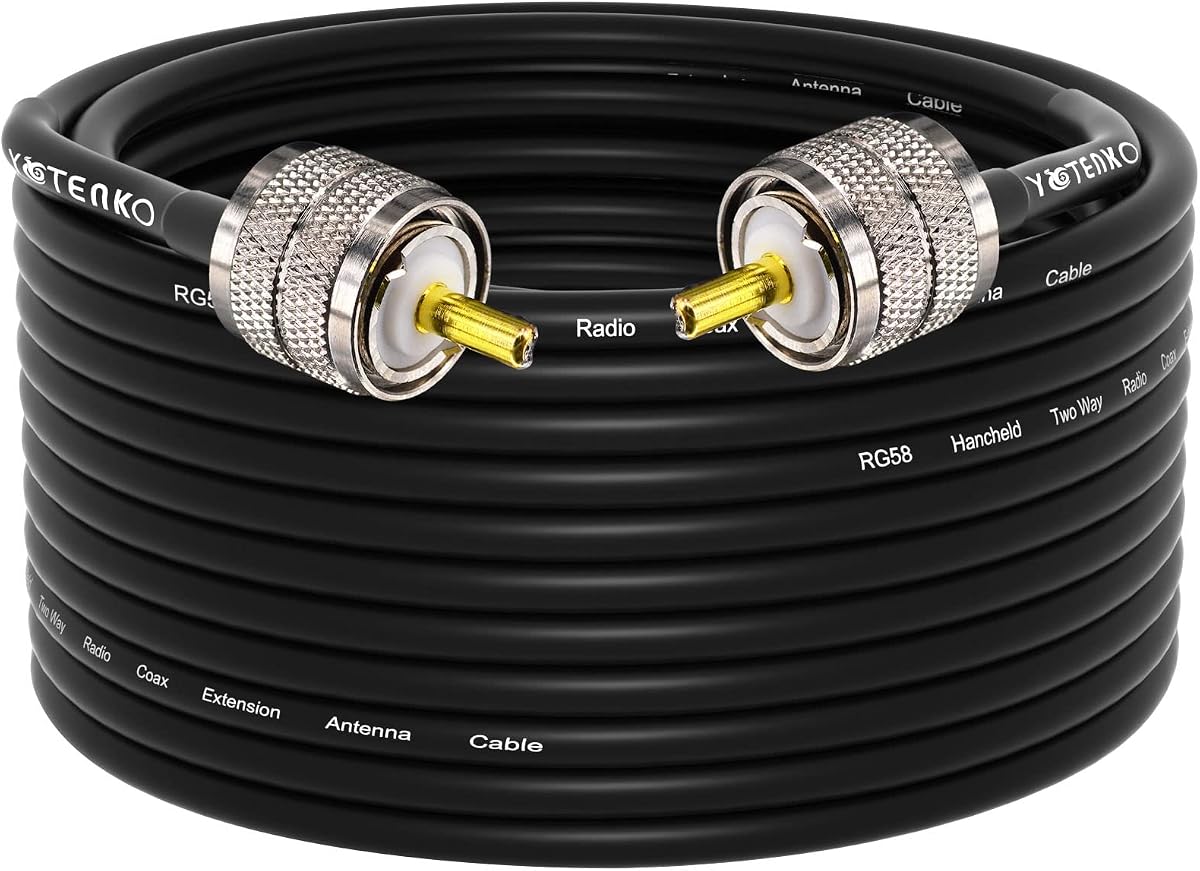

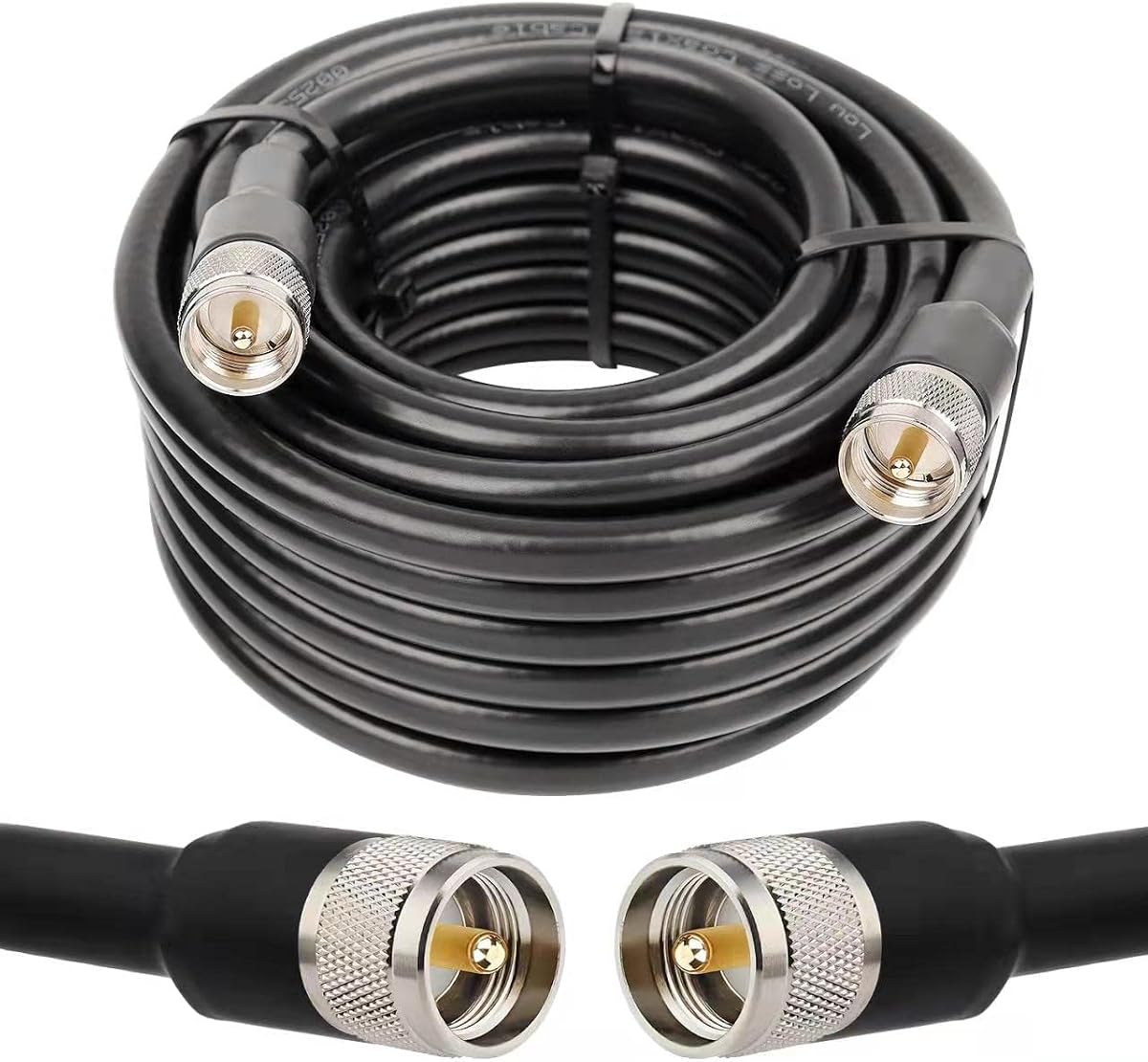

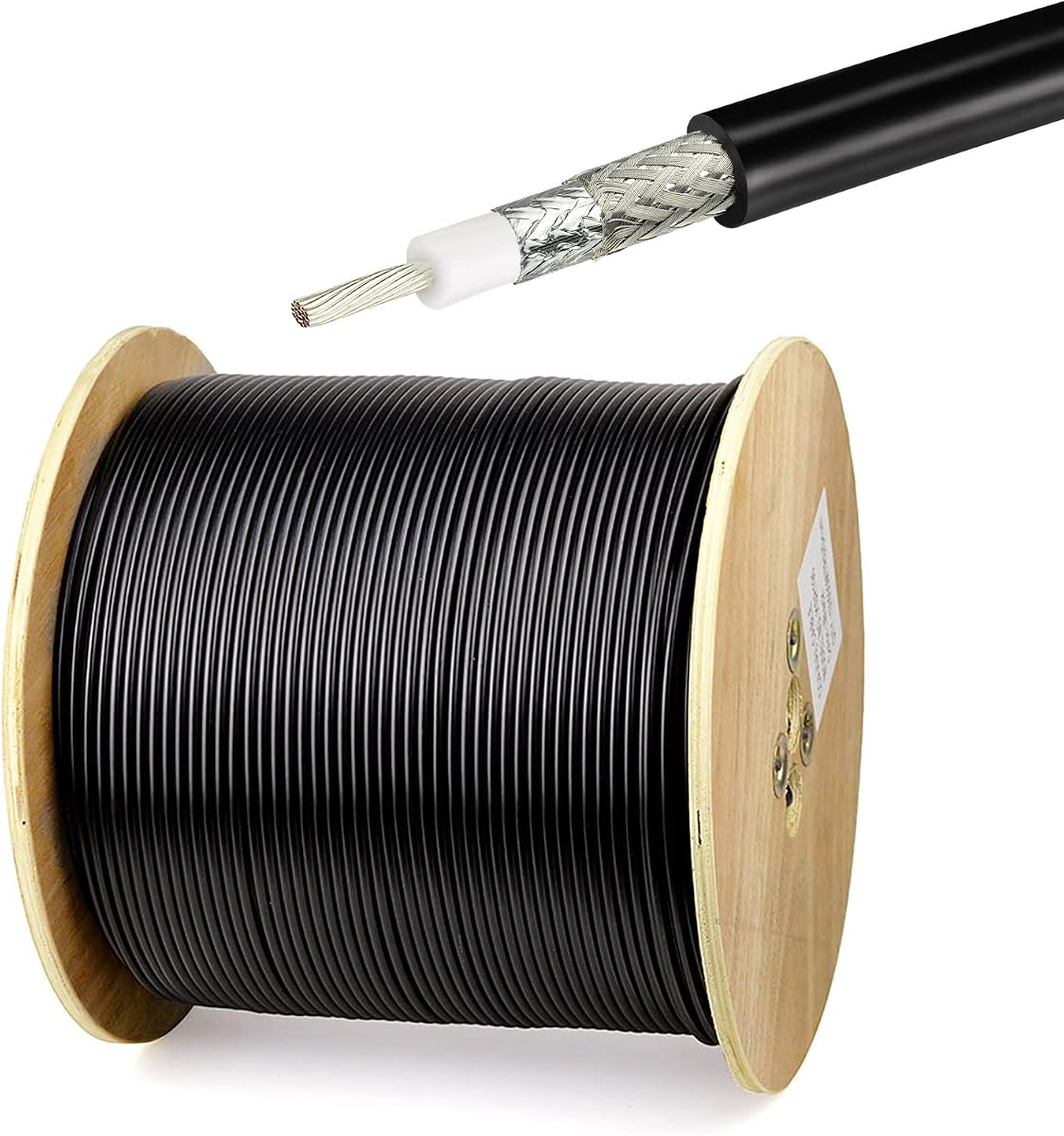
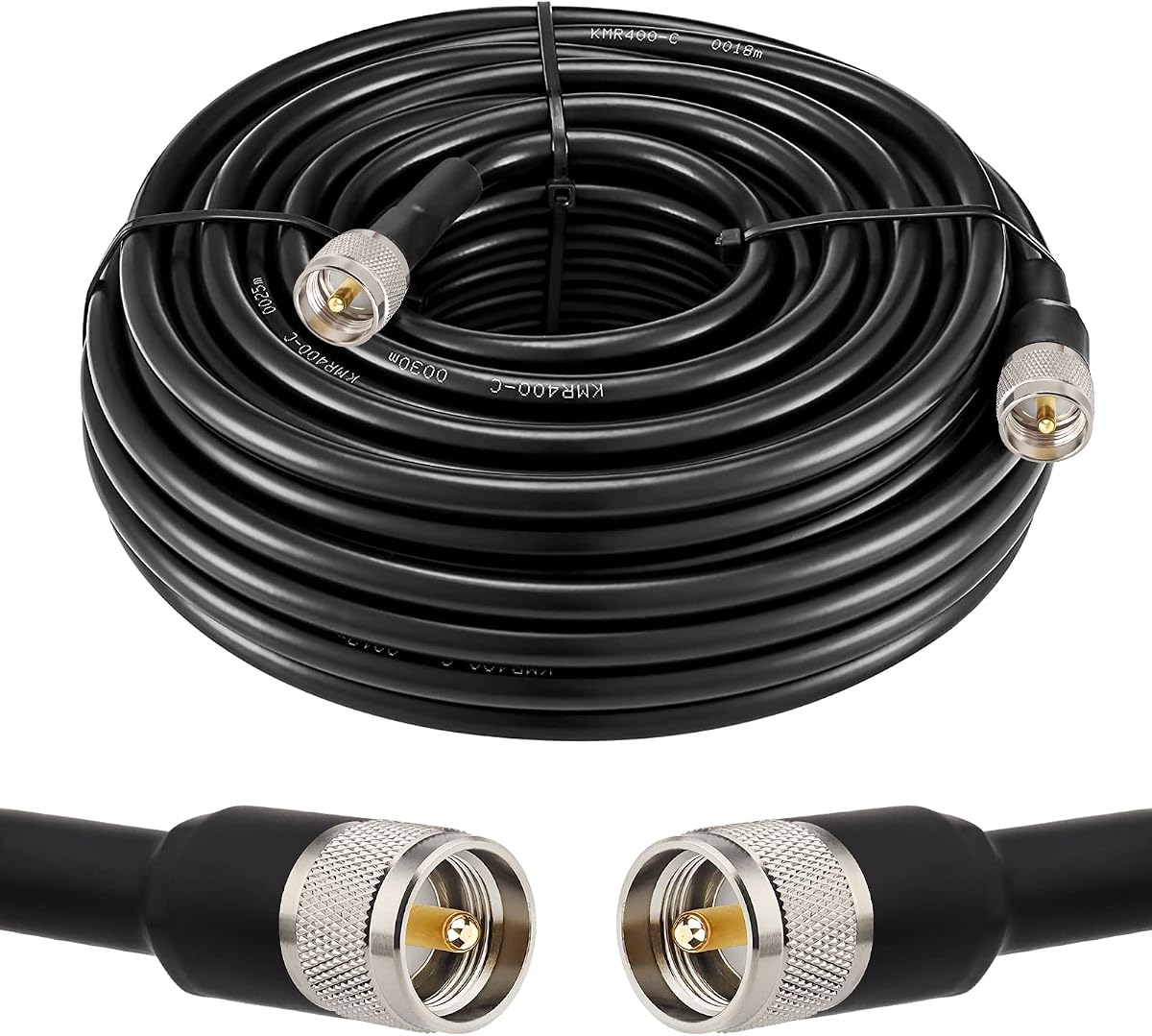
This cable offers an excellent balance of performance and durability for serious operators. With a strong rating and proven low loss at high frequencies, it ensures your signal reaches the antenna efficiently.
We may earn a commission when you buy through this link, at no additional cost to you.
The inner conductor uses copper clad aluminum for a mix of strength and conductivity. The outer conductor combines aluminum foil and tinned copper braid to maximize protection against interference across long distances.
While the cable is thicker than standard RG58, this adds rigidity that can be challenging in tight spaces. However, this trade-off is acceptable for the improved signal quality and weather resistance it provides.
It is ideal for users prioritizing signal integrity in VHF or HF setups. The extended heat shrink tube prevents connectors from pulling out, making it a robust choice for permanent installations.
The low loss specification ensures minimal signal degradation, critical for long-distance communication and high-frequency applications.
Adhesive-lined heat shrink tubing provides a stronger seal against moisture and physical stress at the connection point.
We may earn a commission when you buy through this link, at no additional cost to you.
This option is perfect for short connections like jumpers or vehicle installs. Its pure copper core and double shielding deliver clear communication even at this compact size.
We may earn a commission when you buy through this link, at no additional cost to you.
The cable features gold-plated pins and nickel-plated brass bodies to ensure stable connections. The rugged PVC jacket withstands outdoor conditions while remaining flexible for easy installation.
The short length makes it less suitable for base stations needing long runs. However, for specific short connections where flexibility and low cost are priorities, it works well.
It is best for hobbyists or mobile setups needing a short, reliable link between radio and antenna. The precision design ensures consistent performance in environments with electronic noise.
Dual layers of shielding minimize leakage and external noise, leading to cleaner reception for nearby electronic devices.
The weather-resistant PVC jacket adapts easily to rooftop or mobile setups without cracking under temperature changes.
We may earn a commission when you buy through this link, at no additional cost to you.
Designed for demanding installations, this 100-foot cable offers significant performance gains over standard options. The larger diameter and solid build support better signal retention for distant antennas.
We may earn a commission when you buy through this link, at no additional cost to you.
The inner conductor is copper clad aluminum, while the outer uses high-quality materials to resist oxidation. Clamp connectors replace crimp types to ensure a secure connection that won't come off easily.
The stiffness of the larger cable can be a drawback in tight vehicle conduits. Still, for permanent outdoor runs where longevity and signal quality are paramount, it is a superior choice.
It is ideal for base stations or marine applications needing long cable runs. The UV proof jacket ensures durability in harsh environments, making it a reliable long-term investment.
The large center conductor supports better signal retention compared to thinner RG58 or RG8 types over long distances.
Clamp connectors provide a stronger mechanical bond than crimp types, reducing the risk of failure at the connection point.
We may earn a commission when you buy through this link, at no additional cost to you.
This cable stands out for its use of a pure copper inner conductor. It is stronger and more durable than average CB antenna cables, ensuring consistent performance in high-powered applications.
We may earn a commission when you buy through this link, at no additional cost to you.
The double shielding prevents signal leakage and interference effectively. Fully molded nickel-plated brass connectors with gold-plated pins offer reliability for frequencies up to 300 MHz.
The flexibility is good for indoor and outdoor use, though the weight can be a minor factor in mobile setups. For stationary installations, it offers excellent value and signal quality.
It is recommended for users wanting high performance without a premium price. The 50-foot length is versatile for base stations or mobile Jeep Wrangler CB installations.
A pure copper inner conductor enhances conductivity and reduces resistance compared to alloy alternatives.
Fully molded connectors provide a secure fit that reduces the risk of physical disconnection.
We may earn a commission when you buy through this link, at no additional cost to you.
This cable is designed to upgrade setups from RG58 to the higher performance RG8X standard. It ensures optimal signal quality and durability for HF antennas and radio base station antennas.
We may earn a commission when you buy through this link, at no additional cost to you.
The fully molded PL259 connectors provide secure and reliable connections. Nickel plating adds durability, offering long-lasting performance even when exposed to challenging environmental conditions.
While it is thicker than RG58, the durability justifies the choice for permanent setups. It works well with antenna tuners, meters, and other RF accessories in a home base.
It is perfect for users needing a reliable cable for base stations and HF antennas. The cable supports stable connections for vehicle installs and portable radios alike.
RG8X construction handles high-powered applications better, ensuring consistent transmission for base setups.
Nickel-plated connectors resist corrosion, extending the lifespan of the cable in outdoor environments.
We may earn a commission when you buy through this link, at no additional cost to you.
This RG58 cable is engineered for efficiency in HF and VHF bands. Its ultra-flexible design makes it easier to route through window frames and tight conduits without pinching.
We may earn a commission when you buy through this link, at no additional cost to you.
The 6cm strain relief tubing distributes stress away from solder points, preventing connection failure during frequent bending. The bare copper braided shield is effective against interference and oxidation.
While thinner and more flexible, it has higher loss over distance compared to thicker RG8X. However, it is an excellent choice for mobile installations where routing flexibility is key.
It serves as a high-quality alternative for CB radio or base stations with flexible routing needs. The precision cut ensures reliable performance for two way radio communication.
The extended 6cm tubing protects solder points from damage caused by frequent bending during use.
Designed for HF/VHF, this cable delivers consistent performance within the 1 to 300 MHz range.
We may earn a commission when you buy through this link, at no additional cost to you.
For users needing extra length, this 100-foot RG8X cable provides a balance of durability and signal integrity. The 16AWG tinned pure copper strands outperform standard 17AWG conductors.
We may earn a commission when you buy through this link, at no additional cost to you.
Double shielding protects against leakage and interference effectively. The strong and flexible PVC jacket ensures waterproof protection, allowing use in both indoor and outdoor environments.
The length makes it heavier and less flexible than shorter options. However, for setups requiring long runs from a station to a distant antenna, it offers a solid solution.
It is widely used for RF systems including antenna tuners and dummy loads. The two-year warranty adds peace of mind for long-term installation needs.
The 16AWG tinned pure copper strands provide better performance and durability than standard 17AWG options.
Double shielding ensures minimal signal loss and protection against interference for reliable operation.
We may earn a commission when you buy through this link, at no additional cost to you.
This RG8 cable offers ultra-low loss performance ideal for high-frequency use. The clamp design and adhesive-lined heat shrink ensure connectors stay secure and resist moisture.
We may earn a commission when you buy through this link, at no additional cost to you.
The inner conductor is copper clad aluminum, and the outer conductor uses aluminum foil and tinned copper braid to protect the signal. This structure is equivalent to LMR400 and RG8U.
The heavy duty build may add stiffness, but it protects against breaking during use. The shrink tubing seals against water and contaminants effectively for outdoor weather resistance.
It is a solid choice for marine boat VHF radios and high-performance ham setups. The low loss ensures clear transmission without worrying about signal degradation.
With loss under 1.5dB at 450MHz, this cable is optimized for high-frequency signal integrity.
The adhesive-lined heat shrink tube seals connectors against moisture to prevent signal disruption.
We may earn a commission when you buy through this link, at no additional cost to you.
This miniature coax stands out for its flexibility and thin profile. The 0.1-inch diameter allows it to fit into tight spaces where standard cables cannot reach.
We may earn a commission when you buy through this link, at no additional cost to you.
The inner conductor and braid are made of silver plated copper for efficiency and low signal loss. The Teflon jacket ensures it works well in harsh environments without degrading.
Its thin nature requires careful handling to avoid kinking. However, for antenna interconnections or portable setups, it offers unmatched flexibility and high-frequency performance.
It is a perfect fit for VHF/uhf interconnections and specialized builds. The lightweight design makes it ideal for situations where weight is a critical factor.
With a max frequency of 6GHz, this cable supports high-performance applications beyond standard ham bands.
The 0.1-inch diameter allows routing in extremely tight or difficult spaces easily.
We may earn a commission when you buy through this link, at no additional cost to you.
This cable is designed for reliability in harsh outdoor conditions. The waterproof PVC jacket allows it to be strapped and bent without inducing signal interference.
We may earn a commission when you buy through this link, at no additional cost to you.
It offers excellent compatibility with various connectors including PL259, SMA, BNC, TNC, UHF, and N. The low SWR ensures efficient signal transfer with minimum loss.
The availability of custom lengths makes it versatile for unique installation needs. You may need to contact the manufacturer directly, but the flexibility is a significant advantage.
It works well for cell boosters, WiFi repeaters, and ham radio systems. The manufacturer's professionalism ensures quality customization if standard lengths do not suffice.
Manufacturers offer custom lengths for unique needs, providing flexibility beyond standard 50-foot options.
Compatible with a wide range of connectors to fit various RF systems and accessories.
We may earn a commission when you buy through this link, at no additional cost to you.
Choosing the right coax cable depends on your specific setup requirements. This guide covers the essential factors to ensure optimal performance and durability.
RG8X and LMR400 cables offer lower loss over distance than RG58. While RG58 is thinner and easier to route, thicker cables maintain signal strength better for long runs.
Choose thicker cables like RG8X for permanent base stations where performance is key, but consider RG58 for mobile setups requiring tight bends.
Pure copper conductors provide the best conductivity but are more expensive. Copper clad aluminum offers a balance of strength and conductivity for most amateur radio uses.
For high-performance applications, prioritize pure copper or tinned copper strands to ensure minimal resistance and maximum signal transfer efficiency.
Double shielding with aluminum foil and copper braid reduces interference significantly. Look for cables with multiple shielding layers to protect against external electronic noise.
Effective shielding is essential for clear reception. Always check if the cable specifies double shielding for interference protection in your operating environment.
Nickel-plated brass connectors with gold-plated pins resist corrosion and ensure a secure fit. Molded or clamp designs often outperform standard crimp types for durability.
Invest in high-quality connectors to avoid signal degradation at the connection point. Secure fit and corrosion resistance are critical for longevity.
Weather-resistant PVC or Teflon jackets protect against moisture, UV, and temperature extremes. Outdoor cables should be rated for long-term exposure to harsh conditions.
Verify jacket material suitability for your environment. UV-rated jackets are ideal for rooftop antennas to prevent premature degradation.
Select a length that matches your distance needs to avoid unnecessary coiling or excess slack. Standard options include 15, 50, and 100 feet to fit most setups.
Ensure the cable is long enough to reach your antenna without tension. Excess cable should be coiled neatly to maintain performance.
Ensure the cable supports your operating frequency range, typically up to 300 MHz for HF/VHF. Higher frequency applications like UHF require specialized low-loss designs.
Check attenuation specifications at your intended frequency. Low loss at high frequencies ensures your signal arrives at the antenna efficiently.
Match the connector type to your equipment. PL259 is standard for many radios, while SMA or BNC may be needed for specific analyzers or modern devices.
Verify your transceiver and antenna connectors before purchase. Adapters are available but adding them introduces potential points of failure.
Ensure connectors are securely tightened to avoid intermittent signal loss. Use a wrench if needed to achieve a firm connection without damaging the threads or plastic parts.
Route cables away from sharp edges or metal corners that can pinch or cut the jacket. Using cable ties or clips helps secure the line along walls or beams without stress.
Inspect the cable regularly for cracks or corrosion at the connectors. Clean exposed metal parts with contact cleaner to maintain conductivity and prevent moisture buildup over time.
RG8X cables have a larger diameter and thicker conductor which results in lower signal loss over distance. RG58 is thinner and more flexible but loses more signal, especially at higher frequencies.
Use heat shrink tubing with adhesive to seal the connection. Alternatively, wrap the connection with weather-resistant tape or specialized coaxial connectors to keep moisture out effectively.
Yes but longer cables increase signal loss. If you must extend the run, use a lower-loss cable type like LMR400 to maintain performance over the extra distance.
Clamp connectors provide a stronger mechanical hold that resists pulling or breaking under stress. They offer better long-term reliability compared to standard crimp-style connectors.
Yes grounding helps protect your equipment from lightning and static discharge. Install a coax lightning protector at the entry point of your station for safety.
Check your cable every six months for signs of wear or damage. Look for cracks in the jacket or corrosion on connectors that might affect signal quality.
Most ham radios use PL259 or N connectors. Modern equipment may use SMA or BNC. Always verify your device's port type before buying a cable.
Shielding prevents external interference from corrupting your signal. It ensures your transmission is clear and your reception is free from noise or static.
The top picks in this guide cover a wide range of needs from compact jumpers to long runs. Whether you prioritize budget, performance, or durability, there is a cable for your specific setup.
Prioritize shielding and connector quality to ensure your system performs reliably over time. Investing in a robust cable now prevents signal issues and the need for replacement later.
Remember that pricing and availability can vary. Check current stock and verify specifications before purchasing to ensure you get the right cable for your amateur radio station.