
Amazon Basics Extension Cord
4.8Editor score
Affordable and reliable
Standard indoor extension use
Simple plug and play
This guide compares the top extension cords for sewing machines including safety ratings gauge lengths and compatibility for Brother and Singer models in
Finding the right power cable is essential for any sewing enthusiast who values precision and safety in their workspace. A proper cord ensures your machine runs smoothly without interruptions or electrical hazards that could damage expensive equipment during delicate projects.
We evaluated ten highly rated options based on durability, safety certifications, and compatibility with common sewing machine brands. Our analysis focuses on gauge thickness, plug design, and overall build quality to help you choose the safest and most reliable power solution for your specific needs.
Each pick below highlights key features and real-world performance data so you can make an informed decision quickly. Please note that availability and pricing may change frequently so always verify current details before placing your order to ensure you get the best value available today.
4.8Editor score

4.8Editor score

4.8Editor score
The table below provides a quick side-by-side overview of all ten products ranked by their overall performance and suitability for powering sewing machines safely and efficiently.




This dedicated power cable stands out as the most reliable choice for owners of specific sewing machine models who need a direct replacement. It has earned a strong rating due to its precise compatibility and safety certifications that protect your device from voltage spikes.
We may earn a commission when you buy through this link, at no additional cost to you.
The cord features a standard American jack design that aligns perfectly with the power input on many popular sewing brands. Its 18AWG wire gauge ensures efficient power delivery while the included overcurrent protection adds an extra layer of security for your valuable equipment.
While it is not a universal extension option for all appliances its specialized design ensures you do not face compatibility issues common with generic cords. The slightly shorter length may require careful outlet placement but the reliability it offers outweighs this minor limitation for most users.
If you own a Brother or Singer model listed in the compatibility chart this is the safest and most straightforward replacement to buy. It eliminates the guesswork of finding the right adapter and ensures your machine receives clean stable power for consistent stitching results.
The manufacturer provides a detailed list of supported models ensuring you can verify fit before purchase to avoid returns or confusion with incompatible connectors.
Overcurrent and over-temperature protection are integrated into the design reducing the risk of damage to your machine motor during unexpected electrical surges or overheating events.
We may earn a commission when you buy through this link, at no additional cost to you.
For those seeking a no-fuss affordable way to extend power reach this basic cord delivers consistent performance for light household appliances including standard sewing machines. Its high rating reflects user satisfaction with its durability and ease of use in typical home environments.
We may earn a commission when you buy through this link, at no additional cost to you.
The ten foot length provides plenty of slack to position your machine comfortably away from the wall outlet without stretching the cord. The white color blends discreetly with most interiors and the three-prong design accepts standard device plugs without requiring adapters or modifications.
Although it lacks the reinforced jacket of heavy-duty industrial cables it handles the low wattage of most home sewing machines without issue. The trade-off is a simpler construction that may not last as long under constant bending or rough handling compared to more robust alternatives.
This is the ideal pick for casual sewers who need a quick fix to reach an outlet and do not require specialized features. It offers dependable power transmission at a price point that makes it easy to replace if it ever wears out over time.
The cord is designed strictly for indoor use with materials that resist daily wear but are not rated for outdoor exposure or extreme temperature conditions found in garages or sheds.
Priced significantly lower than specialized industrial options it allows you to allocate more budget toward essential sewing accessories while still maintaining safe and functional power connectivity.
We may earn a commission when you buy through this link, at no additional cost to you.
This heavy-duty extension cable is engineered for demanding environments where reliable power delivery is critical for expensive equipment. It stands out for its robust construction and the peace of mind provided by a lifetime warranty that backs every purchase made by the user.
We may earn a commission when you buy through this link, at no additional cost to you.
The 14AWG wire gauge ensures that the cord can handle higher wattage loads without overheating making it suitable for high-speed or industrial sewing machines that draw more power. Its RoHS compliant build means it meets strict environmental safety standards for materials used in its manufacturing process.
While the six-foot length may be restrictive for larger studios where outlets are far away the superior quality justifies the choice for many professionals. The thicker wire also offers better durability against accidental pinches or abrasion compared to standard lightweight cords found on retail shelves.
Investing in this premium option is recommended for users who run their machines for extended periods or use them in settings where safety and longevity are paramount. It guarantees consistent power quality and protects your investment with a warranty that covers defects for as long as you own it.
Using a 14AWG wire instead of the more common 16AWG reduces resistance and heat buildup ensuring stable voltage reaches your machine even during long sewing sessions.
The inclusion of a lifetime warranty from the manufacturer demonstrates high confidence in product durability and offers users full replacement coverage without hidden fees or expiration dates.
We may earn a commission when you buy through this link, at no additional cost to you.
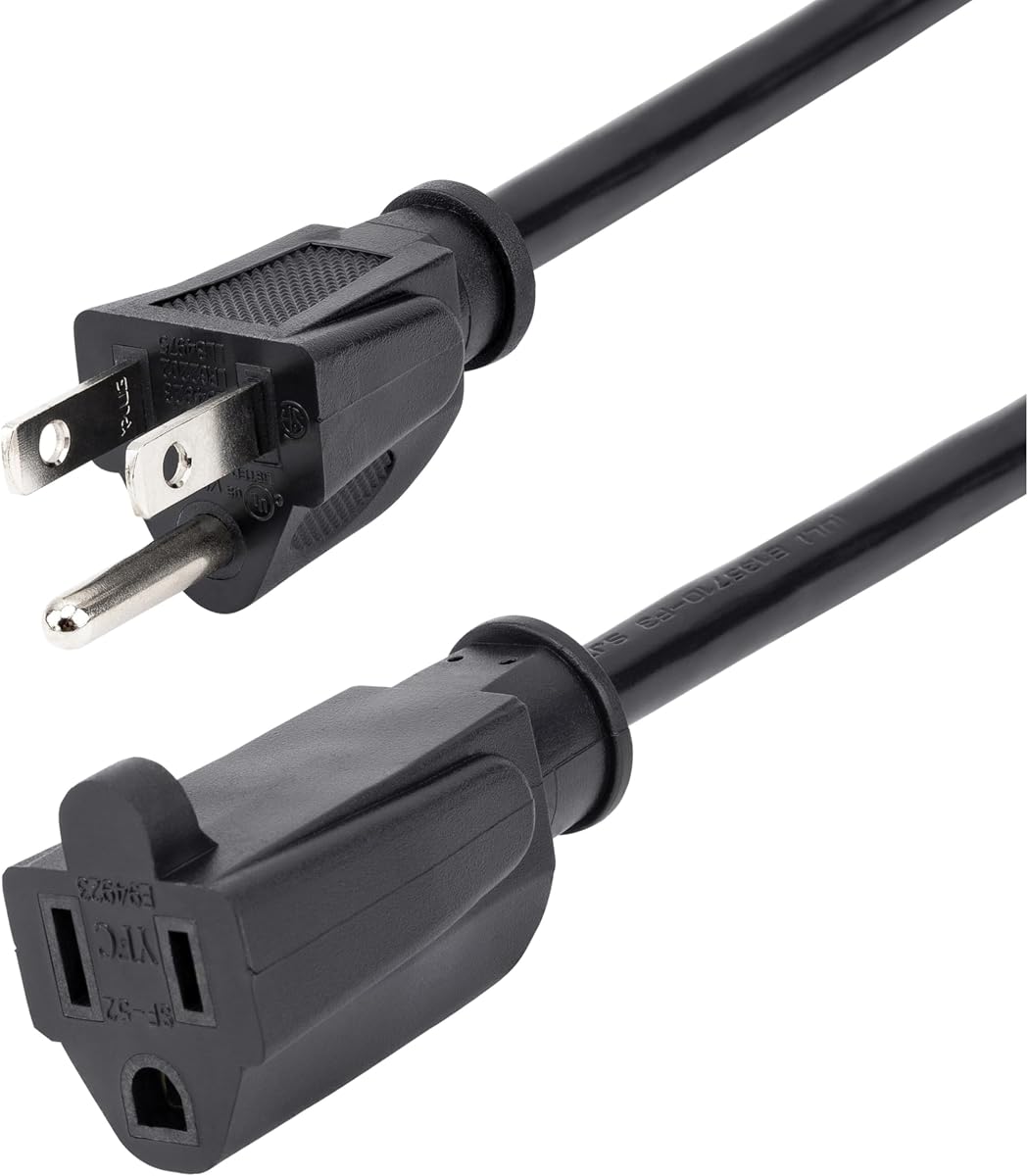
This black power extension cord is designed for practical indoor use with features that enhance its durability and safety for everyday electronics including home sewing machines. It has gained a strong reputation among users for its ability to maintain connection stability under normal operating conditions.
We may earn a commission when you buy through this link, at no additional cost to you.
The molded strain relief on both ends prevents the wire from fraying near the plug points which is a common failure point in cheaper cables. Its ten-foot length allows flexibility in workspace setup while the black color helps conceal the cord under tables or along baseboards neatly.
While it uses a standard 16AWG gauge which is sufficient for most sewing machines it does not offer the extra thickness of heavier industrial options. The UL listing ensures it meets essential safety requirements reducing the risk of fire hazards during prolonged use in dry indoor environments.
Choose this option if you need a reliable and affordable ten-foot extension that handles daily use without issues. It strikes a good balance between cost and performance ensuring your machine stays powered safely without breaking the bank for unnecessary heavy-duty features.
The reinforced ends prevent internal wire damage caused by bending or pulling ensuring the connection remains solid over years of regular movement and adjustment.
Being UL listed means the cord has undergone independent testing to verify it meets basic electrical safety standards for residential and commercial indoor environments.
We may earn a commission when you buy through this link, at no additional cost to you.
This cord is built for heavy appliances but its robust construction makes it an excellent choice for high-power sewing setups that demand extra safety and stability during operation. Users praise its ability to handle continuous loads without overheating or losing power efficiency over time.
We may earn a commission when you buy through this link, at no additional cost to you.
The 14 gauge wire provides a low resistance path for electricity ensuring your machine receives consistent voltage even during long stitching sessions. The angle plug design is particularly useful in tight corners where a straight plug would stick out and block adjacent outlets or get in the way of furniture.
While the heavy-duty build adds some bulk compared to lighter cords it is a worthwhile trade-off for the added safety margin it provides. However the angle plug might make it difficult to use in very narrow wall outlets where flat plugs are preferred for flush mounting.
Ideal for industrial home setups where safety is a top priority this cord offers peace of mind with its high wattage rating. It ensures that your machine runs smoothly without the risk of electrical stress that could lead to equipment failure or safety hazards during use.
Rated for 1875 watts this cord can safely handle machines with higher power needs without risking overheating or tripping breakers during extended periods of heavy use.
The angled head allows the cord to lay flat against the wall saving valuable space behind your sewing station and preventing accidental tripping on protruding plugs.
We may earn a commission when you buy through this link, at no additional cost to you.
The flat wire design of this extension cord is a major advantage for sewers who want to keep their workspace clutter-free and trip-free without compromising on reach or flexibility. It has earned high marks for its ability to hide discreetly under rugs or behind furniture.
We may earn a commission when you buy through this link, at no additional cost to you.
The 360-degree rotating plug is a standout feature that allows you to adjust the cord orientation to fit any wall outlet configuration easily. This flexibility ensures that the cord runs straight from the outlet to your machine without creating sharp bends that could damage the internal wires over time.
While the flat design is visually appealing and practical for flooring it is still made of standard 16 AWG conductors which are adequate for most home sewing machines. Users should avoid placing heavy objects on top of the flat section to prevent potential flattening or resistance issues though it is durable.
This option is perfect for studios where aesthetics matter and where running a round cord across the floor would be inconvenient. It offers a clean streamlined look while providing the reliable power connection needed for smooth machine operation during creative projects.
The plug rotates fully allowing you to align the cord with your outlet direction perfectly reducing strain on the connection and preventing accidental dislodging during movement.
The flat profile ensures the cord lies flat against the floor which reduces tripping risks and allows it to be safely hidden under light rugs without overheating issues.
We may earn a commission when you buy through this link, at no additional cost to you.
For those who need to use their sewing machine in variable conditions such as a garage or workshop this cord offers excellent resistance to moisture and temperature changes. It is built to withstand exposure without degrading ensuring safety and consistent performance even in damp environments.
We may earn a commission when you buy through this link, at no additional cost to you.
The IP65 waterproof rating means the connectors and jacket are sealed against dust and water jets making it safer for humid areas where condensation might form. The pure copper core ensures efficient conductivity while the flexible jacket remains pliable even in colder temperatures where other plastics might crack.
While it is designed for outdoor use it works perfectly indoors as well providing extra durability that might pay off in busy workshops where spills or debris are common. The added weight and thickness compared to lightweight indoor cords are minor trade-offs for the enhanced protection it provides.
This is an ideal choice for hobbyists who set up temporary sewing stations outside or in garages where climate control is less stable. It guarantees that your machine stays powered safely regardless of environmental conditions without risking electrical hazards from moisture or temperature fluctuations.
The jacket is designed to remain flexible across a wide temperature range ensuring easy handling and storage in cold garages or hot attics without cracking or stiffening.
The non-slip plug design ensures the cord stays securely inserted even if the outlet is rough or the plug is handled frequently during setup and takedown.
We may earn a commission when you buy through this link, at no additional cost to you.
This heavy-duty cord is built for reliability and safety with a thick 12 gauge wire that handles power demands with ease for any sewing machine. It is particularly useful when you need a short extension to bridge a small gap without compromising on safety standards.
We may earn a commission when you buy through this link, at no additional cost to you.
The 12 gauge wire ensures minimal voltage drop over short distances which is beneficial for maintaining consistent motor speed and stitch quality. Its ETL Listed status confirms it meets strict safety requirements while the flexible vinyl jacket makes it easy to coil and store when not in use.
While the three-foot length limits its range it is perfect for fine-tuning your machine position without reaching for a longer cord that might tangle. The thicker wire adds weight and bulk so it may not be ideal for tight spaces where a slim profile is preferred for neatness.
Choose this cord if you need a rugged short extension that provides maximum safety for high-wattage appliances. It offers robust protection against electrical issues and ensures your sewing machine receives clean power without the hassle of managing excess cable length.
Using a thicker 12 gauge wire reduces resistance allowing the machine to draw current more efficiently without losing voltage over the short distance to the outlet.
The jacket is designed to protect against abrasion and moisture ensuring the internal wires remain safe from external damage during daily handling and storage.
We may earn a commission when you buy through this link, at no additional cost to you.
This compact heavy-duty cord combines safety features with a space-saving design to offer a reliable power source for sewing machines in small workshops. It is highly rated for its sturdy build and the inclusion of a low-profile plug that keeps furniture close to the wall without obstruction.
We may earn a commission when you buy through this link, at no additional cost to you.
The 14/3 gauge copper wiring supports heavy loads and delivers stable power for machines that require higher wattage without overheating risks. The flat plug design is especially beneficial for tight spaces where a traditional plug would force the cord to bend awkwardly and reduce airflow behind the machine.
While the three-foot length may not reach distant outlets it is perfect for fine-tuning machine placement right next to a power source. The gray color blends well with neutral decor but may show wear over time in high-traffic areas where dust and lint tend to accumulate on the cord.
Ideal for users with limited space who still need a robust power connection this cord offers peace of mind with its safety certifications. It ensures your machine is powered safely without adding bulk to your workspace making it a practical choice for small studios or home offices.
The low-profile angled plug sits flush against the wall allowing you to place your sewing table closer to the outlet without the cord creating a gap.
The cord is engineered to handle repeated use without wear thanks to reinforced ends and durable materials that resist cracking under daily stress.
We may earn a commission when you buy through this link, at no additional cost to you.
This unique cord functions as a slim power strip that offers multiple outlets on different sides to keep your workspace tidy and functional without blocking nearby sockets. It has gained popularity for its ability to adapt to tight wall outlets while providing enough connectivity for your machine and accessories.
We may earn a commission when you buy through this link, at no additional cost to you.
The right angled flat wall plug allows the cord to run parallel to the baseboard reducing clutter and tripping hazards in busy sewing areas. Its 16/3 gauge wire ensures sufficient power delivery for standard machines while the 3-way outlet design means you can plug in lighting or foot pedals simultaneously.
While the socket tightness ensures plugs stay secure it can be slightly difficult to insert larger plugs initially and requires firm pressure. The white color is clean and modern but may require occasional wiping to remove dust or thread bits in active workshop environments.
Perfect for users who need to power multiple devices from one outlet without running multiple cords this option simplifies your setup. It is a versatile choice for modern sewing stations where space optimization and easy access to power are essential for a smooth workflow.
With outlets on multiple sides you can connect your machine and lighting without needing a separate extension or bulky power strip cluttering your floor.
The low-profile plug ensures the cord does not block other outlets or force furniture away from the wall maximizing your available workspace area.
We may earn a commission when you buy through this link, at no additional cost to you.
Selecting the right power cord requires understanding specific features that impact safety performance and workspace efficiency for your sewing machine.
Wire gauge indicates the thickness of the copper inside the cord with lower numbers meaning thicker wires. For sewing machines a 14 gauge wire is generally preferred for heavy-duty models as it reduces resistance and heat buildup ensuring stable power delivery during long sessions. Thinner 16 gauge wires may suffice for light machines but offer less margin for safety under continuous use.
Always check the gauge specifications before buying to ensure the cord matches the power needs of your sewing machine to prevent overheating and voltage drops.
Safety certifications from organizations like UL or ETL confirm that the cord has been tested for fire resistance and electrical safety standards. These labels are critical because they indicate the product meets strict guidelines for materials and construction reducing the risk of electrical hazards in your home or studio.
Only purchase cords that display these certifications clearly on the packaging or product details to ensure safe operation with your electrical appliances.
The shape and orientation of the plug can determine how well it fits in your specific outlet especially in tight corners. Right angled or flat plugs sit flush against the wall allowing furniture to be pushed closer while standard plugs may stick out and block adjacent outlets or create tripping hazards.
Choose a plug design that aligns with your wall outlet orientation to maximize space and avoid awkward bends that could stress the wire connection.
Cord length should be selected based on your workspace layout to avoid reaching for outlets across the room which can cause tripping or strain on the plug. A length that is too short restricts your movement while a length that is too long creates excess cable that needs to be managed safely to prevent accidents.
Measure the distance from your machine to the nearest outlet and add a small buffer to choose a cord that reaches comfortably without leaving slack.
Cords designed for outdoor use feature weather-resistant jackets that protect against moisture temperature changes and physical abrasion better than indoor only cords. If your sewing machine is located in a garage or workshop with varying temperatures an outdoor rated cord will remain flexible and safe under harsh conditions.
Ensure you select a cord rated for the environment where it will be used to maintain safety and durability over time.
Look for features like molded strain relief at both ends of the cord to prevent internal wires from breaking near the plug points. A solid warranty from the manufacturer indicates confidence in the product and provides you with recourse if the cord fails prematurely or develops defects.
Invest in a cord with a strong warranty and reinforced construction to ensure it lasts for years without needing frequent replacements.
Some sewing machines require specific power cables rather than generic 3-prong plugs so verify the connector shape and pin configuration before purchasing. Using an incompatible cord can lead to poor connections or damage to the machine's power input if the fit is not exact or secure.
Check your machine's manual or current cord details to confirm compatibility before buying a replacement extension power cable.
The color of the cord can impact the visual clutter of your workspace with white or gray blending better into light interiors than black or bright colors. Aesthetics are secondary to safety but a cord that matches your decor helps maintain a clean organized sewing area free from distracting visual noise.
Choose a color that minimizes visual distraction to help you stay focused on your work while maintaining a tidy environment.
Ensure the extension cord is fully uncoiled before plugging in your machine to prevent heat buildup that could damage the wire insulation over time. This allows for proper air circulation around the cable and reduces the risk of electrical fires or degradation due to trapped heat within a tight coil.
Plug the cord directly into a wall outlet rather than into another extension cord or power strip to avoid overloading the circuit. Daisy-chaining cords increases resistance and heat which can create dangerous electrical conditions that compromise the safety of your machine and your workspace.
Regularly inspect the cord for signs of wear such as fraying cracks or exposed wires and replace it immediately if any damage is found. Proper care includes keeping it away from sharp edges and avoiding pinching it under heavy furniture to extend its lifespan and maintain safe operation.
A 14 gauge cord is generally recommended for sewing machines as it offers lower resistance and better safety for continuous use. While 16 gauge cords can work for very light machines the thicker wire ensures stable power delivery and reduces heat risks.
Yes most standard indoor extension cords with a three-prong grounded plug are compatible with common sewing machines. However it is best to choose one with a thick wire gauge and safety certifications to ensure safe and reliable operation during long projects.
Some older models require specific power adapters but most modern machines accept standard 120V three-prong connections. It is wise to check your manual or current cable to ensure compatibility before buying a generic extension cord for your machine.
Flat plugs sit flush against the wall saving space and preventing the cord from blocking adjacent outlets. They also reduce tripping hazards and allow furniture to be placed closer to the wall for a neater organized workspace.
Yes outdoor rated cords are safe for indoor use and often offer better durability and resistance to wear. They are thicker and more robust making them suitable for workshops or high-traffic areas where the cord might get bumped or dragged.
You should replace it immediately if you notice any damage like fraying or exposed wires. Even without visible damage it is good practice to inspect it annually and replace any cord that shows signs of cracking or stiffness to maintain electrical safety.
Choosing the right power cable ensures your sewing machine operates safely and efficiently without the risk of electrical issues. The options highlighted above offer a range of choices from budget-friendly extensions to heavy-duty professional cables tailored to different workspace needs and machine types.
Prioritize safety certifications and wire gauge when making your final decision to guarantee consistent power delivery and long-term durability. A well-chosen cord not only protects your expensive equipment but also creates a safer and more organized sewing environment for all your creative projects.
Remember to verify the current availability and prices of these products as they can change frequently depending on market demand. We encourage you to review the detailed comparison and buying guide to select the cord that best fits your specific setup and requirements today.